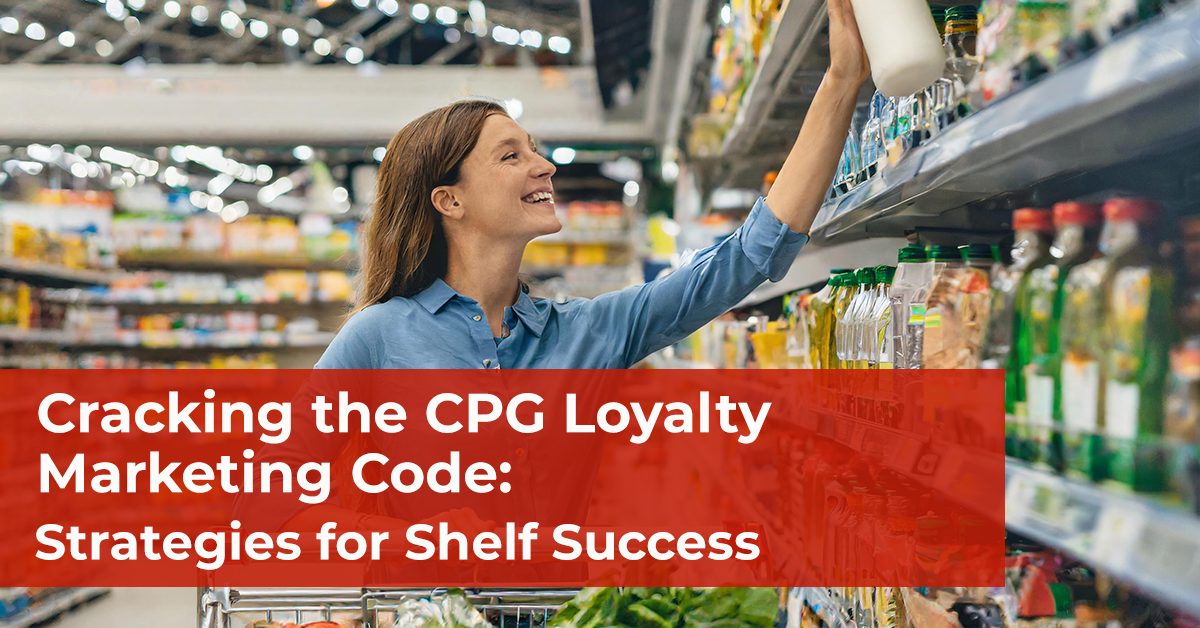
In the ever-evolving Consumer Packaged Goods (CPG) / Fast Moving Consumer Goods (FMCG) industry, change is not just expected - it's become the norm. Today’s winning brands use first-party data to deliver hyper-personalized, seamless experiences that go beyond discounts - blending creativity, technology, and purpose. From gamified engagement and AR-powered moments to sustainability-driven programs and strategic partnerships across fintech, retail media, and DTC ecosystems, brands are transforming every touchpoint into an opportunity for genuine connection. In this new era, loyalty isn’t just earned - it’s continuously created through relevance, trust, and shared value.
According to Nielsen IQ, 64% of global consumers are actively transforming the marketplace, updating their preferences and lifestyles with increasing speed. In the US, inflation is a significant factor, leading consumers towards promotions and motivating CPG / FMCG brands to develop innovative strategies to differentiate themselves. Across the Atlantic, in Europe, economic ups and downs are driving consumers towards cost-effective options like private labels and smart bulk buying.
In this environment, some key trends are surfacing. Shoppers - particularly the younger and wealthier ones - are attracted to seamless, omnichannel experiences that offer quality, convenience, and value. Sustainability and ethical considerations have become major influencers, shaping consumer decisions and urging brands to strike the right balance between eco-friendliness and affordability. Then there's the rise of direct-to-consumer (DTC) models and loyalty programs: these game-changers are not just reshaping the relationship between CPG/ FMCG brands and consumers; they're revolutionizing how loyalty is nurtured and maintained. [
These shifts are propelling brands into a new era where gaining loyalty has morphed from a ‘nice-to-have’ to a 'can't-do-without'. With an estimated 30,000 new CPG products elbowing for shelf space each year and a consumer base poised to switch brands for a better deal, understanding and adapting to their changing behaviors and preferences is key. The challenge for brands now is to offer value beyond just pricing, aiming to create personal and meaningful connections with consumers as individuals. So let's dive into the blueprint of a loyalty marketing framework designed to help CPG brands stay ahead of the curve - and the consumer winds of change!
7 Strategies for CPG/ FMCG Loyalty Success
1. Data Capture For Analytics:
In the fiercely competitive CPG landscape, capturing consumer data is becoming more than just a tactic; it's a necessity for any personalization. The humble purchase receipt is a particularly effective vehicle for accessing first-party data, and brands are using contests and promotions as engaging ways to inspire receipt sharing.
Liquid Death, for example, teamed up with Live Nation for a gift-with-purchase promotion that collected receipt data, gaining insights into consumer preferences while also promoting their product.
Nestle Tombstone ran a Halloween promotion that encouraged consumers to submit their purchase receipts, capturing first-party data to better understand shopper behavior, inform future campaigns, and tailor promotions to drive engagement and sales.
The use of consumer receipt processing for cross-basket shopper analytics is showcased by General Mills' collaboration with the Fetch app, which collects broader data into consumers' overall buying habits - enabling highly personalized discounts that prompted 1.5X more sales of General Mills brands than average Fetch shoppers!
2. Immersive Consumer Experiences
The blurring lines between digital and physical experiences offer a playground for brands to create immersive and engaging consumer interactions. Over half of consumers today have engaged with virtual goods or services, presenting a unique opportunity for brands to integrate immersive technology into their product experiences.
L’Oréal’s Connected Lipstick Device is a perfect example of this, blending augmented reality (AR) with a physical product to offer a unique and personalized shopping experience - that also collects data across multiple digital touchpoints.
Similarly, Charlotte Tilbury’s virtual shopping platform brings an in-store experience online, using AR and VR to create a shared, interactive shopping experience that enriches the consumer journey.
Additionally, cat food company Smalls’ integration of QR codes in subway ads exemplifies how even traditional, static advertising mediums can be revitalized to create interactive and engaging consumer experiences that offer improved data insights.
3.
Targeted Marketing Partnerships
Strategic collaborations are increasingly vital in the CPG marketing playbook. They enable brands to extend their reach and gain deeper consumer insights, often unavailable through traditional retail sales.
Partnerships with delivery platforms like Instacart and DoorDash, for example, provide access to a diverse base of home shoppers and offer unique insights into their buying patterns.
Similarly, Retail Media Networks (RMNs) are emerging as key drivers of targeted engagement - and new media innovations like Snipp’s Financial Media Network (FMN) are taking this a step further. Reaching over 67 million U.S. cardholders through partnerships with major banks and publishers, Snipp’s FMN allows CPG brands to deliver personalized, purchase-based offers directly within consumer banking apps. It’s a powerful new channel that merges loyalty, data, and precision marketing - helping brands engage shoppers beyond traditional retail touchpoints.
4.
Enhanced Loyalty Programs
Far more than just a way to earn rewards, loyalty platforms and programs now play a key role in brand selection, and CPG brands now have multiple ways to incorporate them as part of their differentiation strategies. Card-linked rewards programs, for example, offer a convenient, off-platform way for consumers to accrue rewards on everyday purchases.
For example, the partnership between Snipp Interactive and Bank of America, allows brands to connect with millions of shoppers with targeted offers, while offering rapid insights into campaign effectiveness.
Meanwhile, experiential and gamified loyalty programs are redefining engagement, keeping members coming back- again and again. Sephora’s Beauty Insider program employs multi-step challenges and mini-games to deepen consumer interaction, enabling the brand to craft more personalized and memorable experiences.
Additionally, platforms like iBotta and Brand Wallet demonstrate the benefits of integrating offerings from multiple brands. By providing cash-back or loyalty points, these platforms facilitate enhanced data sharing and valuable consumer insights for CPG brands.
5. Alignment With Consumer Values
Consumers are increasingly aligning their purchasing decisions with their personal values, particularly in areas like sustainability and social responsibility. This shift is prompting brands to integrate charitable contributions and rewards for eco-friendly purchases into their CPG loyalty strategies.
For example, Nissin Foods’ initiative to introduce eco-friendly packaging for its Cup Noodles aligns with the growing consumer demand for sustainable products.
Similarly, Procter & Gamble’s Good Everyday program and Marks & Spencer's charitable contributions illustrate how integrating social good into loyalty programs can resonate with purpose-conscious consumers.
Additionally, transparency and traceability in sustainability claims are becoming particularly crucial for fostering consumer trust - and with it, their loyalty - and brands are making more efforts in these areas, as seen in Kahlúa’s Coffee for Good project in Veracruz, Mexico. The project empowers local coffee-growing communities with advanced farming techniques to boost yields and combat climate change, ensuring their coffee is sustainably sourced.
6. Enhanced Social Engagement
With social commerce expected to reach $150 billion by 2028, CPG brands have a significant opportunity to use these platforms to showcase their products, engage with consumers, and boost sales.
Unilever's #CleanTok campaign on TikTok, for instance, achieved massive success by creating informative and relatable content that resonates with younger audiences, resulting in billions of views, a 30% surge in traffic to Unilever's Cleanipedia portal, and a 38% increase in young adults buying its Cif Cream Cleaner in the UK.
Additionally, interactive promotions like Three Olives' AI-powered Party Builder can fuel engagement and social sharing--the AI tool allowed consumers to design and share personalized party themes on social media and offered the chance to win real-life parties and additional prizes.
Stryx, a men's beauty brand, successfully sparked a conversation with its TikTok followers by creating videos based on user comments, a strategy that’s been instrumental in driving community engagement and growth.
7. Innovative Product Development:
In a market dominated by swiftly changing consumer preferences, the capacity to adapt and innovate quickly is vital.
Brands are progressively focusing on agile responses to trends - for instance, Heinz was inspired by a viral Taylor Swift moment to create a completely new condiment, 'Seemingly Ranch,' in under 24 hours! Aura Bora, a sparkling water brand, keeps its brand dynamic and engaging by introducing new, limited-edition flavors every two months. This strategy not only stirs excitement but also encourages repeat purchases, contributing to its growth.
L’Oréal utilizes its 3 global innovation hubs and 20 local research centers to detect shifting consumer trends and transform them into globally relevant products. This approach allows L’Oréal to continually update its product portfolio, ensuring it aligns with areas of high consumer demand.
The CPG landscape is dynamic, demanding constant vigilance and adaptability from brands. Success hinges on a brand’s ability to stay attuned to the heartbeat of consumer preferences, creatively engaging with them across various platforms, and being always ready to surprise and delight. As we step into 2026, keep our framework in mind to help understand, predict, and even influence the decisions and behaviors of today’s consumers!
And don’t miss our ‘CPG Loyalty Guide' - click here to read!
FAQs
Q: How can CPG brands effectively capture first-party data without disrupting the shopper experience?
A: The key is to make data capture feel like participation, not surveillance. Modern consumers will share data when there’s clear value in return - think receipt-based promotions, instant-win contests, or product registration for rewards. Using receipts as a bridge between offline and digital behavior allows brands to collect verified first-party data, uncover purchase insights, and personalize future campaigns - all while keeping the process simple, engaging, and consumer-led.
Q: What roles do Retail Media Networks (RMNs) and Financial Media Networks (FMNs) play in shaping CPG loyalty?
A: RMNs and FMNs are redefining how CPG brands build loyalty through data-driven precision. RMNs connect media spend to in-store purchases, enabling smarter targeting and measurable results. FMNs, like Snipp’s Financial Media Network reaching 67M+ U.S. cardholders, extend this capability into banking apps - delivering personalized, cashback-based offers to new untapped audiences at the point of spend. Together, they turn everyday transactions into powerful moments of engagement and loyalty.
Q: How can CPG brands blend digital and physical experiences to strengthen loyalty?
A: The most effective loyalty strategies meet consumers wherever they shop. That means integrating AR, QR, and gamified tools that bring a layer of interactivity to everyday touchpoints. Whether it’s scanning a QR code on packaging to unlock bonus rewards, exploring products through a virtual try-on, or earning points through digital challenges tied to physical purchases - these immersive experiences create emotional engagement that goes beyond transaction-based loyalty.
Q: How can brands measure the ROI of loyalty initiatives in a crowded CPG market?
A: In a crowded CPG space, measuring loyalty ROI means looking beyond points and redemptions to true behavioral impact. Brands should track metrics like repeat purchase rate, retention, engagement, and customer lifetime value to gauge lasting influence. With advanced basket-level analytics and sales attribution, loyalty data can directly link marketing actions to purchase outcomes. The result: a smarter, predictive view of loyalty that helps brands anticipate churn, optimize spend, and turn insights into sustained growth.
Q: What are common pitfalls CPG brands should avoid when implementing loyalty programs?
A: Many CPG brands fall into the trap of treating loyalty as a short-term tactic rather than a long-term strategy. Over-reliance on discounts or promotions may drive temporary sales but rarely builds true emotional connection. Another common misstep is collecting valuable consumer data without using it for personalization - missing the chance to create relevant, one-to-one engagement. Loyalty efforts also falter when they’re siloed instead of integrated across channels, breaking the seamless experience consumers expect. Finally, ignoring consumer values like sustainability and ethics can erode trust, while overlooking social or product innovation limits a brand’s ability to stay relevant and differentiated in a fast-changing market.
To boost your CPG marketing strategy and engage your consumers with an effective CPG loyalty program, contact us to speak with one of our loyalty experts!

Subscribe for updates straight to your inbox