
Loyalty is Earned, Not Bought
Loyalty is the cornerstone of brand success. Customers have more choices than ever when it comes to the products and services they buy and the channels they use. In this fiercely competitive market, loyalty plays a crucial role in retaining existing customers and attracting new ones.
Of course, earning customer loyalty is easier said than done. The most successful brands run sophisticated customer loyalty programs that add value to the buying experience, and build meaningful connections with their customers.
From providing discounts on everyday essentials to giving brand advocates the chance to win once-in-a-lifetime experiences, consumers want programs that align with their values and interests. More than that, they want programs that stand out from the pack.
Let’s explore how you can create a customer loyalty program that turns casual consumers into enthusiastic brand advocates.


What is a Customer Loyalty Program?
Popular among B2C and B2B brands, customer loyalty programs reward members for buying products or engaging with brands in other ways. For example, following your brand on social media, creating user generated content (UGC), referring a friend, or completing a survey.
Loyalty program rewards are as diverse as the brands that run them. Beyond simple discounts, popular rewards include:
- Cash prizes
- Free gifts
- Loyalty program points
- Access to exclusive events or experiences
- Branded merch
70% of U.S. consumers say customer loyalty programs are a key driver of brand loyalty. It’s a similar story in Europe, where 57% of consumers admit to modifying their purchasing habitsto earn more benefits from their favorite brands.
With so much potential to influence customers, it’s not surprising that many brands are investing heavily in their loyalty programs.


Customer Loyalty Program Brand Benefits
/Customer%20thumbs%20up.svg)
Attract and retain customers
Offering relevant and valuable rewards gives new customers a reason to choose you over your competitors, and existing customers a reason to stick around.

Drive repeat purchases

Create up and cross-sell opportunities

Improve customer engagement

Enhance personalization

Foster brand advocacy


Creating Your Customer Loyalty Program
The first thing to decide is the structure of your customer loyalty program. Should you choose a simple reward or point-based scheme? Or do you need a more sophisticated, tiered program?
Each program structure has specific advantages. Selecting the right one for your business depends on your goals and your customer’s buying habits. The four most common structures are:
- Reward-based
- Point-based
- Subscription-based
- Tiered
Reward-based
Advantages:
- Easy implementation and performance tracking
- Flexible and scalable
- Performance less influenced by external factors
Example: Starbucks Rewards
Point-based
Typically associated with the "earn & burn" mechanic, members accumulate points with each qualifying purchase or interaction. They can then exchange their points for rewards.
Advantages:
- Boosts customer retention
- Influences member behavior and cash-out strategies
- Rich, actionable data sets

Subscription-based
Like Amazon, Netflix, or Hello Fresh, subscription-based programs allow members to access recurring benefits and rewards in exchange for a monthly fee.
Advantages:
- Predictable revenue stream
- Engaged and committed communities
- Reliable source of customer data
Example: Amazon Prime

Tiered
Advantages:
- Drives repeat purchases
- Increases average transaction value
- Offers more creative freedom to mix and match tactics
Example: Marriott Bonvoy

Once you’ve chosen a structure, you’re ready to create your customer loyalty program. To keep everything on track, we recommend following these six simple steps.
Step 1. Define Your Goals
The first step to creating a customer loyalty program is to define your goals. Do you want to encourage repeat purchases? Increase brand engagement? Unlock cross or upsell opportunities?Setting clear goals keeps your program on track and aligned to your wider brand strategy. More than that, goals are crucial to measuring your success. If you don’t know what you’re trying to achieve, how do you know you've achieved them?We recommend using the SMART framework to set your goals. This ensures they're:
- Specific
- Measurable
- Achievable
- Relevant
- Time-bound

Step 2. Set the Entry Conditions
How will members earn points or rewards when they join your customer loyalty program? It might seem like an obvious question, but there are many ways to approach it.
Purchase-based activity, like a receipt upload promotion, is the most common entry condition. Members buy a certain product, a certain number of times, and get a reward. But it’s not the only one.
Customers engage with brands in different ways. Expanding your entry conditions beyond simple buy-to-earn mechanics makes your program more accessible and inclusive. Today’s channel-agnostic consumers appreciate this, especially during periods of economic uncertainty. When finances are tight, they’ll explore every avenue to cut costs.
Your customer loyalty program doesn’t have to include every entry method and channel. Focus on those that make the most sense for your brand and help you achieve your goals.
Popular entry conditions include:
- Creating an account
- Referring friends
- Following brand social media accounts
- Liking or sharing social media posts
- Commenting on a video
- Writing a review
- Signing up for your blog or newsletter
- Completing a survey
Snipp tip: Simplicity is the hallmark of an effective customer loyalty program. Remove unnecessary entry barriers to make it easy for people to join your program. Want to inject a bit of excitement? Embrace gamification to make earning and redeeming rewards fun.

Step 3. Select Your Rewards
Rewards are the main reason people join customer loyalty programs.
A common mistake is to make your rewards seem unachievable and not worth the time or effort to redeem them. We see this frequently in points-based programs. Instead, focus on creating a simple redemption process that allows members to earn rewards quickly. Not only does this generate excitement but it also incentivizes members to participate regularly. Never underestimate the power of instant gratification.
There are multiple ways to drive participation. These include offering rebates, discounts on future purchases, and exclusive access to members-only products. Third-party products and services can also give your program a significant boost – ultimately, the goal is to provide a range of relevant and valuable rewards.
Value is subjective and isn’t always tied to price. For example, a $20 in-store gift card might not mean much to customers of a luxury jewelry brand who regularly spend thousands. Relevance similarly depends on your brand. Fast food restaurant vouchers won’t resonate with customers of an outdoor lifestyle brand as much as something like a free three-month gym membership.

Step 4. Create Your Reward Tiers
Tiering your customer loyalty program is an effective strategy for increasing average order value and purchase frequency. Whether you opt for a point or reward-based approach, splitting rewards into separate paid tiers adds an element of exclusivity some members can’t resist.
At the lower tiers, members earn small rewards, like discounts on their next purchase. VIP tiers allow members to win high-value prizes, such as all-expenses-paid holidays. The promise of increasingly valuable rewards encourages members to spend more as they work their way to the top tier.
With higher barriers to entry at the top member levels, tiered customer loyalty programs are ideal for B2B brands. However, they’re becoming increasingly popular in B2C. According to Deloitte, 53% of customers belong to a premium loyalty program– up 36% from 2021.
Step 5. Outline Additional Member Benefits
Beyond rewards, offering additional member benefits gives customers the nudge they need to join your loyalty program. Things like free shipping or extended return periods are powerful incentives. Alternatively, you could offer exclusive, tier-based benefits that scale in value as members progress through your program.
Other benefits to consider include:
- Access to exclusive promotions
- Sneak peeks at forthcoming products
- Early access to new services

Step 6. Program Design
There are many aspects to designing an effective customer loyalty program – from mapping the member journey to selecting the software you’ll use to manage it. Success depends on each one of these areas working in harmony.
Map the Member Journey
No matter how enticing your rewards are, people won’t engage with your program if it’s difficult to access them. Carefully map the member journey, removing unnecessary steps or friction to provide a seamless experience. Avoid overwhelming members with options when they log in to your program. Aim for a simple and intuitive user interface (UI) that’s easy to navigate.
Decide the Basic Reward-earning Mechanics
Aside from earn and burn mechanics, customer loyalty programs support various promotions, contests, and campaigns. Weaving them into your program keeps existing customers engaged and attracts new ones looking for the best deals.
As you create your customer loyalty program, consider which promotions are the right fit for your customers. Would they prefer the instant gratification of a gift-with-purchase promotion? Do they respond to personalized social media campaigns? Or do they prefer the thrill of instant win opportunities combined with a final grand prize sweepstakes?
Identify the Potential Integrations Required
List the systems that must connect to your loyalty program to function correctly. The exact makeup of your underlying tech stack depends on several factors, including your program structure, entry methods, and marketing channels.
Common technologies include:
- Point of sale (POS) systems
- Receipt processing tools
- Ecommerce apps
- Customer relationship management (CRM) solutions
- Customer data platform (CDP) solutions
- Enterprise resource planning (ERP) systems
Choose Your Customer Loyalty Platform
Choosing the right customer loyalty platformcan make or break your program. Enterprise loyalty solutions enable you to customize and manage every facet of your program from one place. They allow you to layer earn-and-burn mechanics, tailor offers to different segments, measure progress against your KPIs, and more.



Customer Loyalty Platform Considerations
Finding the right customer loyalty platform for your program isn’t only a question of technology. While technical capabilities are important, the best vendors provide support through the design, implementation and steady state phases.From concept, strategy, design, and resource planning to implementation and activation, they work with you to create your ideal program.Before committing to a platform or provider, there are some key things to consider.
- Technology: Is it an end-to-end solution? Does it harness automation to help you simplify and scale your program? Or are there technical limitations that could prevent you from creating and managing your program?
- Scale: Does your chosen platform support complex, enterprise-level customer loyalty programs? For example, programs that combine in-store and online experiences or cover multiple geographies.
- Expertise: Does your provider offer strategic guidance to help you fine-tune your customer loyalty program? Can you turn to them for technical support?
- Omnichannel activation: Does the platform allow you to run and market customer loyalty programs across channels and devices?
- Data: Does your platform allow you to collect and store customer data securely? Does it provide built-in analytics, so you can convert this data into strategic insights?
- Integration: How easy is it to integrate your customer loyalty platform with third-party systems and applications? For example, those belonging to third-party retailers, e-commerce platforms, or partner systems.
- Contests and promotions: How easy is it to set up, run, and scale contests and promotions via the platform? Can you get metrics and insights based on those campaigns? Does it support seasonal, repeating, and ad hoc campaigns?


Launching and Marketing Your Loyalty Program
The first rule to creating a successful customer loyalty program is to get company-wide buy-in.
Everyone should know you’re launching a program, understand how it works, and want to participate. If you can’t get staff interested in your program, how will you convince customers to join?
There are many ways to market a customer loyalty program. However, rather than concentrating on one avenue, an omnichannel approach that employs various tactics delivers the best results. Make it easy for customers to buy from you anywhere and on any device so they can engage with your program their way.
Common marketing channels include:
- Product packaging
- Website
- Social media
- Paid search
- Contests and promotions
- Above the line (ATL) marketing
- Influencer marketing



Measuring Success
Once you’ve launched your program and collected some data, you can begin measuring performance against your goals.
It’s important to choose the right metrics. Your precise mix will depend on your goals, as well as the quality and quantity of the available data. However, common metrics include:
- Number of new members
- Purchase frequency
- Acquisition rate
- Program participation
- Churn rate
- Redemption rate
- Average basket size
- Customer lifetime value
- Active vs non-active members
- Net promoter score (NPS)
Monitoring your program helps you identify what is and isn’t working, so you can gauge your success and adjust your program accordingly.
Margins and Liabilities
Margins and liabilities are key to determining success in customer loyalty programs. When a customer redeems their points, they convert them into rewards which you then deduct from their account.
These points have a dollar value. Predicting and limiting how much your members cash out is a balancing act since you need to protect your margins and give members enough value to convince them to join your program.
Customer Loyalty Program Examples
Looking for inspiration to help you create the perfect customer loyalty program? Over the years, we’ve helped thousands of brands design and manage their programs
Here are a few examples below:
Improving Customer Retention with a Multi-brand Loyalty Program
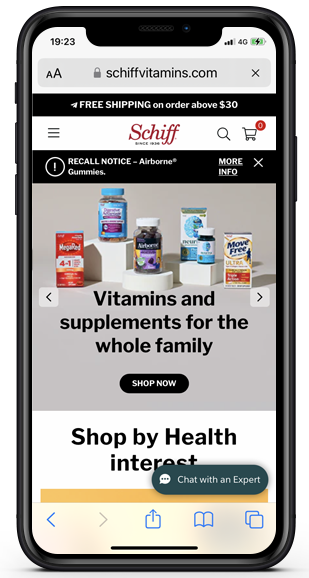
Schiff worked with Snipp to create an exciting, omnichannel customer loyalty program encompassing their family of vitamin brands.
Available in-store and online, members who buy any product from a participating brand earn Schiff Rewards points which they can exchange for various digital prizes and coupons. Members can also earn points through non-purchase actions and unlock additional tier-based benefits with specific achievements.

Rewarding Feline Friendship Through the Power of Receipts
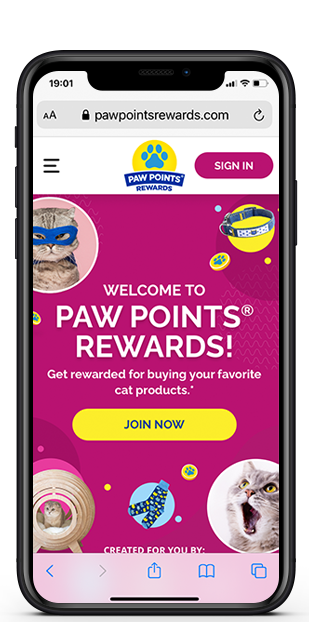
Snipp helped Paw Points create its revolutionary rewards program that celebrates the love between cats and their owners. Paw Points phased out on-pack codes in favor of a receipt-based program that allows members to earn points on any everyday purchases, including litter, food, and treats. All they have to do is take a picture of their receipt and upload it to the program for validation via our receipt processing platform. Since launch, Paw Points Rewards has helped to increase member sign-ups and provided unique insights into shopper behavior.

Increasing Basket Size with a Multi-channel Punch Card Loyalty App
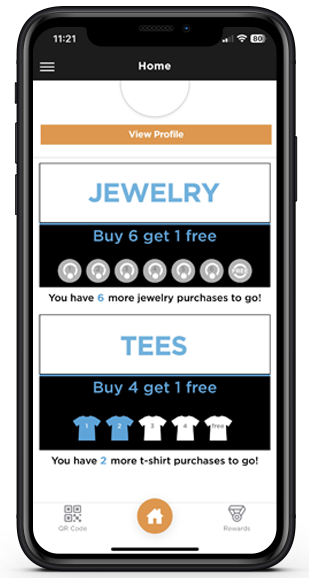
Spencer’s developed a multi-channel punch card loyalty app across their network of physical, e-commerce, and pop-up stores. Called Spencer’s Nation, the app lets customers submit purchase receipts from any of the brand’s 600+ US stores to earn stamps. They can then exchange the completed cards for free rewards. The program continues to help Spencer’s drive brand loyalty and increase average basket size. What’s more, it provides invaluable consumer insights that helps them understand purchasing habits and personalize their offers.

Boosting Engagement with an Innovative Contractor Training and Loyalty Ecosystem
Aluminum railing specialists DSI Westbury worked with Snipp to create a contractor training ecosystem and tiered loyalty program as part of its revamped customer engagement strategy. The program offers rebates on qualifying DSI product purchases and training courses that give contractors the opportunity to become trained Westbury-certified Master Pros.


Driving Sales and Retaining Customers in Dental Healthcare
3M developed a pioneering loyalty program for dental healthcare professionals. Registered members can upload purchase invoices to the platform in exchange for points, which they can redeem on any of the program’s 100+ promotions. Additionally, members gain access to a catalog of courses tailored towards dental healthcare professionals and free expert support.
The program has helped 3M increase revenue, improve customer retention, reduce churn, and provided valuable insights into purchasing habits.