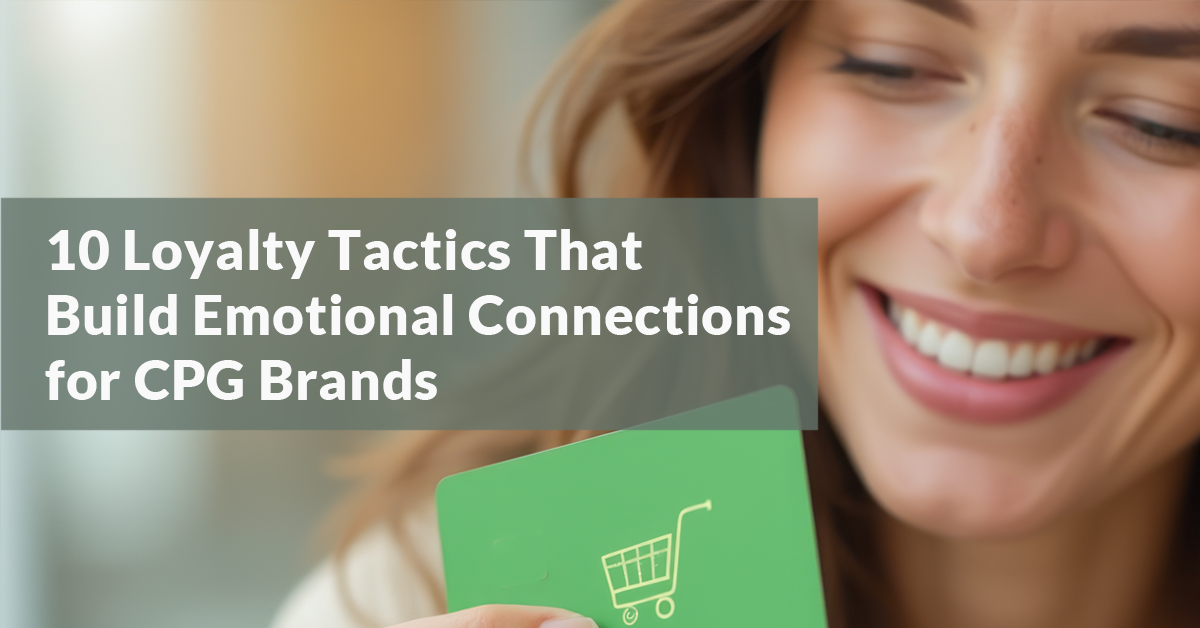
Most loyalty programs lean on transactional mechanics: points, discounts, and coupons. These are earn-and-burn reward schemes that are effective at driving repeat purchases, but rarely capable of creating a deeper bond. True loyalty goes further. Emotional loyalty is what keeps consumers connected even when competitors dangle new offers. In fact, research shows that 82% of consumers who feel emotionally engaged with a brand will stay loyal, spend more, and actively advocate for it – showing that the payoff goes well beyond repeat transactions. For CPG brands, it’s the difference between being in someone’s cart and being in his or her life. Transactional rewards keep customers coming back; emotional tactics make them stay. Used together, they turn simple programs into lasting relationships.
10 Examples to Build Emotional loyalty in 2025
1. Personalized Recognition
Consumers want to feel seen, not just sold to.
How to apply it:
Use purchase history, receipt uploads, or even simple engagement data to personalize messaging. Birthday shoutouts, “anniversary of joining” messages, or highlighting a consumer’s top-purchased product makes interactions feel human. Track click-through and repeat rates to gauge impact.
Why it works:
People don’t stick with brands because of points - they stick because they feel understood. Emotionally connected customers have a 306% higher lifetime value and stay nearly 2 years longer than average.
How to measure it:
To measure the impact of personalized touchpoints, set up a comparison between customers who receive them (e.g., birthday offers, anniversary messages) and a control group who do not. Track key metrics such as:
- Click-through rates (CTR): Are personalized messages driving higher engagement than standard communications?
- Repeat purchase rates: Do customers exposed to personalized touchpoints return and purchase more often?
- Customer lifetime value (CLV): Over time, does the personalized group generate more revenue and show higher retention than the control group?
By monitoring these metrics side by side, you can quantify whether personalization is improving short-term engagement as well as long-term customer value.
Example:
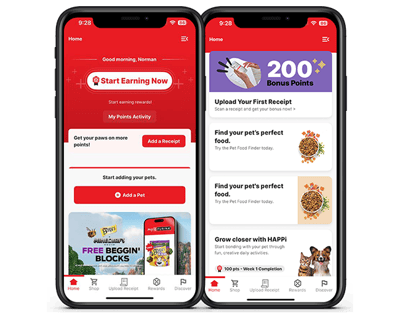
 myPurina loyalty rewards program offers personalized rewards based on each pet’s profile created at sign up. Tools like the Pet Food Finder guide members to the right products and portion sizes, making every interaction feel relevant and helpful. By tailoring offers to individual pets, Purina turns routine purchases into meaningful experiences that strengthen the emotional connection with the brand.
2. Surprise and Delight
Unexpected gestures build goodwill faster than planned promotions.
How to apply it:
Drop bonus points days, free samples, or early access perks without prior announcement. Monitor engagement and social mentions to measure sentiment lift.
Why it works:
Surprise creates a powerful emotional connection. Nearly 60% of consumers describe their favorite brand with words like “love” or “adore” - feelings that go far beyond the transactional appeal of discounts or coupons. By delivering the unexpected, surprise-and-delight promotions tap into that emotional space, leaving customers with a lasting positive impression.
How to measure it:
Go beyond immediate sales impact. Track indicators like brand sentiment, social sharing, and organic buzz to gauge how much attention the surprise generates. Then, measure business outcomes such as repeat purchase rates and customer lifetime value to understand whether the positive reaction translates into stronger loyalty and higher long-term spending.
Example:
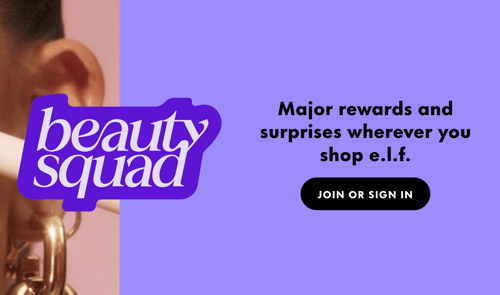
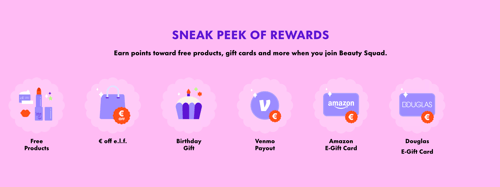
 e.l.f.’s Beauty Squad goes beyond standard rewards by combining personalized perks with unexpected treats. Members receive a special birthday gift during their birth month, early access to new product launches, and exclusive offers.
3. Cause and Sustainability Alignment
Shoppers increasingly expect CPG brands to act responsibly. Loyalty programs can turn values into actions.
How to apply it:
Let members donate points to relevant causes, reward sustainable choices (eco-packaging, refill programs), or tie purchases to charitable contributions. Participation rates in these options reveal how strongly values drive connection.
Why it works:
Why it works: Shoppers increasingly care about whether brands stand for something. Nearly half of consumers say a brand’s “emotional value” is as important as price or quality.
How to measure it:
Track how many members choose to donate points or redeem sustainable rewards, then compare their retention and loyalty against those who don’t.
Example:
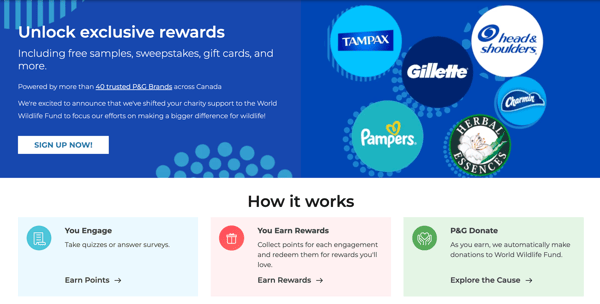
 P&G Good Everyday lets members do more than just buy. They can earn points on everyday purchases with P&G brands and then choose to redeem those points for something meaningful, such as donating to environmental or social causes. It’s a loyalty program that transforms transactions into impact by aligning brand interactions with customers’ values and turning earning into something emotionally resonant.
4. Exclusive Access
Membership should feel like a key to the “insiders’ circle.”
How to apply it:
Offer early access to new flavors, limited editions, or seasonal bundles. Track redemption and participation rates compared to standard offers as well as social buzz to assess exclusivity’s impact.
Why it works:
Exclusivity makes people feel like insiders. Emotionally engaged customers are 82% more likely to stay loyal than those just chasing discounts.
How to measure it:
Track at redemption rates, repeat purchase behavior, and referral activity among members who receive early access perks compared to those offered standard rewards.
Example:
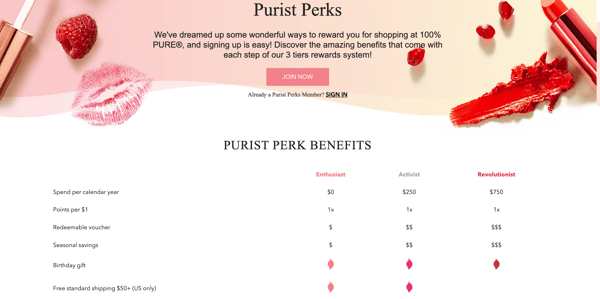
 100% Pure’s “Purist Perks” loyalty program elevates exclusivity by rewarding its highest-tier members with early access to new product launches and priority customer service. This VIP treatment transforms loyalty into privilege, making customers feel truly valued and ahead of the crowd.
5. Community Engagement
People bond with brands when they can also bond with other consumers.
How to apply it:
Run user-generated content campaigns (“show us your pet’s best Halloween costume,” “share your snack hack”), highlight member stories, or create digital forums. Volume and quality of submissions indicate community strength.
Why it works:
Belonging matters. 70% of consumers are more likely to join a loyalty program if it has a strong community element.
How to measure it:
Monitor community engagement through UGC submissions, social shares, and forum activity. Then, compare retention rates between members who actively participate and those who don’t.
Example :
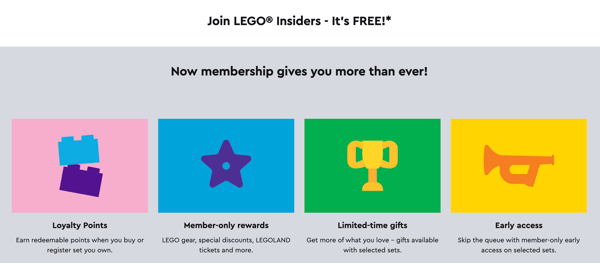
 LEGO Insiders creates a vibrant community where members can share builds, engage with fellow enthusiasts, and participate in LEGO Ideas. Members can submit their own creations and potentially see them turned into real products, transforming them into co-creators and deepening their connection with the brand. The program also offers exclusive experiences, such as factory tours and designer meet-and-greets, which provide memorable, hands-on interactions beyond traditional rewards.
6. Experiential Rewards
Not every reward should live in a digital wallet. Experiences leave stronger memories.
How to apply it:
Offer experiences (virtual classes, tastings, events) that align with the brand’s lifestyle positioning or are tied to product usage. Measure not only redemption but also secondary social amplification (shares, referrals), which often delivers outsized ROI.
Why it works:
Experiential rewards resonate because they create memories, not just transactions. In fact, 59% of consumers say they prefer experiences over buying things, and 46% cite enjoying experiences with loved ones as a top personal goal. These moments strengthen emotional bonds with your brand in ways discounts never can.
How to measure it:
Track how many members choose experiential rewards over cash or discounts. Then, measure the ripple effect - look at social sharing and referrals immediately after, and compare repeat purchase rates and retention over time between the two groups.
Example:
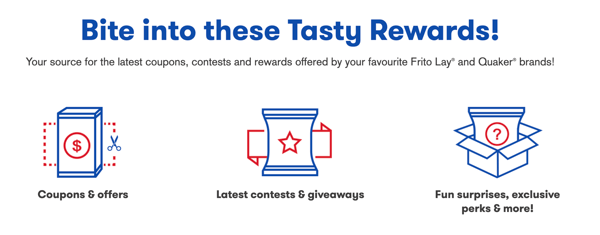
 Tasty Rewards is a loyalty program that turns engagement with PepsiCo products into memorable experiences. Members can participate in sweepstakes, contests, and exclusive events, such as attending major sports games or dining experiences. These experiential rewards provide moments that go beyond points and discounts, creating lasting emotional connections with the brand while making product interaction exciting and memorable.
7. Product Discovery and Trial
CPG thrives on variety and innovation. Programs that help consumers discover new products build curiosity and trust.
How to apply it:
Offer sample packs, trial-size redemptions, or extra points for trying new launches. Track conversion from trial to repeat purchase as a key indicator.
Why it works:
Product sampling works because it breaks down hesitation. Research shows that 78% of consumers go on to purchase a product after trying it, with 65% buying during the same trip. For CPG brands, where taste, texture, and sensory trust play such a big role, trial doesn’t just spark curiosity - it accelerates the path to purchase.
How to measure it:
Link samples to identifiable customers - through loyalty programs, unique QR/coupon codes, or retailer partnerships. Then track trial-to-purchase conversion by measuring how many of those who sampled go on to buy. Finally, compare their repeat purchase and retention rates against customers who didn’t sample to see if trial drives longer-term lift.
Example:
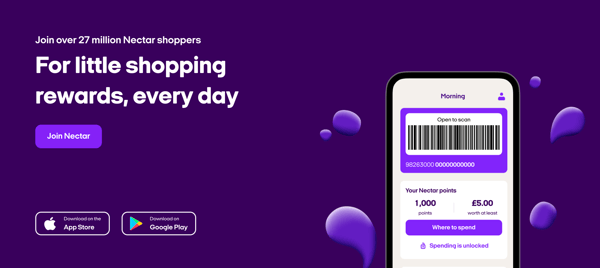
 The Nectar loyalty program encourages product discovery and trial across a wide range of brands and categories. Members earn points for purchases at over 500 partner brands, including Sainsbury’s, Argos, Esso, and British Airways, and can redeem points for products, services, or experiences. Personalized weekly offers through the Nectar app, such as discounts and promotions tailored to shopping habits, incentivize members to explore new products and try different brands, making the program a powerful tool for expanding consumer engagement and brand exploration.
8. Household and Family Benefits
Many CPG items are shared across households, not just consumed individually.
How to apply it:
Enable point pooling, family accounts, or rewards designed for parents, kids, and even pets. Track uptake on household-focused rewards versus individual ones.
Why it works:
Many CPG products serve the whole household, not just one shopper. Loyalty programs that reflect this - through pooled rewards or family perks - tap into shared decision-making, driving bigger baskets and stronger brand preference.
How to measure it:
Track the impact of family-focused promotions on sales and loyalty. Compare redemption rates and repeat purchases for shoppers who engage with these offers versus those who don’t. You can also monitor sales lift on promoted products during and after the campaign to see if family-oriented rewards are driving sustainable growth.
Examples:
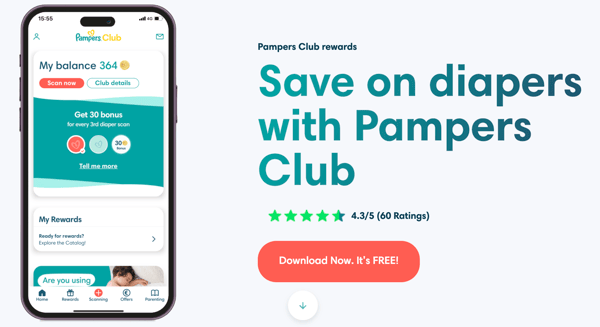
 The Pampers Club App rewards parents with points for purchases that can be redeemed for products or discounts, while offering parenting tools, expert advice, and a community platform - helping families save, stay informed, and feel supported at home.
9. Everyday Utility Rewards
The strongest programs integrate seamlessly into daily routines.
How to apply it:
Link rewards to grocery delivery partners, retail checkout, or mobile wallets so members can use benefits where they already shop. Engagement rates show whether the program is a frictionless fit.
Why it works:
Rewards that integrate into daily routines like grocery apps, mobile wallets, or checkout systems make loyalty effortless. When earning and redeeming happens naturally as part of everyday shopping, customers engage more consistently, boosting repeat purchases and long-term retention.
How to measure it:
Track engagement with rewards in everyday channels like apps, mobile wallets, or checkout systems.
Measure:
- Redemption rates for every day-use rewards.
- Purchase frequency of rewarded items versus non-rewarded items.
- Retention over time of members who regularly redeem everyday rewards compared to those who don’t.
Example:

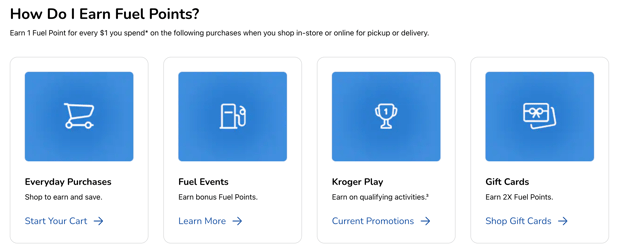
The Kroger Co. Family of Stores Fuel Points Program allows customers to earn 1 Fuel Point for every $1 spent when they shop in-store or online with their Shopper’s Card or digital account. Points can be redeemed at Kroger Fuel Centers or participating partner fuel stations to save on fuel. Shoppers can also earn bonus Fuel Points during special Fuel Events, through qualifying activities, and by purchasing gift cards, which earn 2X Fuel Points. Customers can sign in to their digital account to view point balances and use the fuel locator to find participating stations.
10. Seasonal and Cultural Resonance
CPG products often anchor traditions and rituals. Programs that celebrate these moments feel naturally woven into consumer lives.
How to apply it:
Launch themed campaigns (holiday baking kits, back-to-school bundles, summer BBQ multipliers). Track lift in both participation and sales during seasonal peaks.
Why it works:
Brands that tie rewards to seasonal or cultural moments tap into familiar rituals, creating stronger emotional connections. In fact, 67% of consumers say seasonal promotions influence their purchase decisions, showing how well-timed campaigns can drive both engagement and sales.
How to measure it:
Compare sales and participation during seasonal campaigns to off-season periods, and track whether customers who engage show higher repeat purchase rates and retention than those who don’t.
Example:
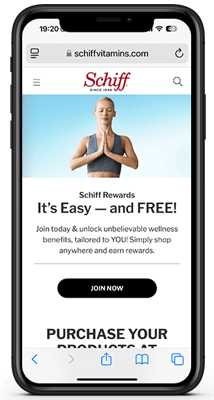
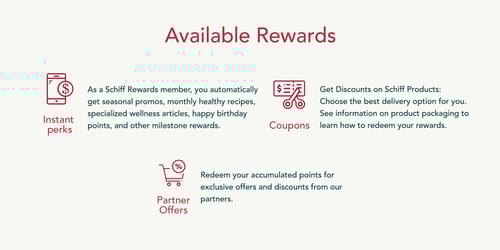
 Schiff Rewards taps into the cultural emphasis on proactive health and wellness. Vitamins and supplements are part of daily routines for millions of consumers, and aligning rewards with these habits makes the program feel naturally relevant. By rewarding both purchases and non-purchase actions, the program connects with the growing culture of holistic wellness, where consistency and lifestyle choices matter as much as products themselves.
Key Takeaways
- Emotional loyalty requires personalization, purpose, and community, not just discounts.
- For CPG, the most effective tactics are those that integrate into daily routines and cultural moments.
- Trial, household relevance, and sustainability tie emotional loyalty directly to the way consumers actually use CPG products.
- Surprise and exclusivity drive outsized emotional impact with relatively low investment.
- Measuring engagement beyond transactions, such as community content, social shares, seasonal spikes, shows whether emotional bonds are taking hold.
FAQs
Q1: Can CPG brands really measure the impact of emotional loyalty?
A: Yes. While emotional loyalty can feel intangible, it can be tracked through behaviors tied to your program: redemption rates of personalized or family-focused rewards, repeat purchases after trial or surprise campaigns, engagement with seasonal promotions, and social amplification like shares or user-generated content. Comparing these metrics between engaged and non-engaged members gives a clear signal of impact.
Q2: Do emotional loyalty tactics work for all CPG products?
A: While all brands can benefit, tactics should match how the product is used. Household-focused rewards work best for shared goods, experiential rewards for lifestyle-oriented products, and seasonal or cultural campaigns for items tied to rituals. Matching the loyalty tactic to real consumer behavior increases the likelihood that emotional connections translate into measurable engagement and sales.
Q3: What role does the loyalty platform play in making this work?
A: It’s the backbone. All these emotional loyalty tactics depend on a platform that’s flexible enough to actually deliver them. Without the right tech, brands get stuck running generic points programs or patching together clunky workarounds. A strong platform makes it easy to launch, manage, and track these strategies at scale, so ideas don’t just look good on paper, they actually drive results.

Subscribe for updates straight to your inbox