5. Survey-and-Reengage
Sometimes the best way to win back a member is to ask what went wrong.
How to apply it:
Send a quick pulse survey to inactive members (“Why haven’t you engaged?”) and pair their feedback with a tailored incentive. The response both re-opens the channel and gives insights for program improvement.
Why it works:
Survey-and-reengage campaigns work because they give dormant members a voice and make them feel heard. By asking why they dropped off and following up with a relevant incentive, brands signal that they value the customer’s input, which strengthens trust and increases the likelihood of reactivation. Research shows that companies with active feedback loops grow 41% faster, demonstrating that listening and responding to customers directly drives engagement and retention.
How to measure it:
Look at how many dormant members respond to the survey, how many of those return compared with non-respondents, and whether acting on the feedback improves overall retention.
6. Gamified Challenges
Re-entry can be more engaging when it feels like play.
How to apply it:
Launch short-term challenges (“Make two purchases in 30 days for bonus rewards”) to add novelty. Track challenge completion rates and whether activity continues beyond the game window.
Why it works:
Gamified challenges transform routine interactions into engaging experiences by tapping into customers’ intrinsic motivation. Studies have shown that gamification can increase customer engagement by up to 47% and brand loyalty by 22%. By introducing elements like point systems, badges, and leaderboards, brands create a sense of achievement and progression, which encourages customers to participate more actively and frequently. This heightened engagement often leads to improved retention rates, as customers feel more connected and invested in the brand.
How to measure it:
Measure success by tracking challenge participation, goal completion rates, and the impact on retention and repeat purchases compared with non-participants.
7. Content-Led Re-engagement
Not every touchpoint has to be transactional.
How to apply it:
Share recipes, tips, seasonal inspiration, or community stories. For CPG, content that ties to everyday routines can re-spark relevance. Engagement with content becomes a leading indicator of re-entry.
Why it works:
Content marketing reignites dormant members by giving them value they care about - tips, recipes, or seasonal ideas that fit their interests. It drives three times as many leads as traditional outbound marketing while costing 62% less, proving that relevant, helpful content is far more persuasive. By offering real value, brands rebuild trust, strengthen emotional connection, and motivate members to return and engage.
How to measure it:
Look at how many dormant members engage with the content, how many return or make a purchase afterward, and how the content directly influences these actions. This shows not just immediate engagement but also how effectively the content drives reactivation and retention.
8. Partner Cross-Promotions
Introduce freshness through partnerships.
How to apply it:
Collaborate with complementary brands to create bundled promotions or cross-rewards. Members who disengaged from one program may re-engage when offered a broader value set. Measure uptake by partner source.
Why it works:
Partner cross-promotions succeed because they leverage the audience and credibility of a complementary brand, exposing your offers to people who are more likely to be interested. This trusted introduction makes the promotion feel relevant and credible, increasing the chances that dormant members will re-engage. Additionally, collaborating with another brand creates a sense of exclusivity or added value for the customer, making the offer more enticing. These factors combine to drive higher engagement, reactivation, and an average 23% increase in customer acquisition.
How to measure it:
Evaluate partner cross-promotions by tracking the number of dormant members or potential new customers reached, how many engaged with the offer, and how many reactivated or made a purchase afterward. Compare these results to similar in-house campaigns to see the incremental impact, and measure cost efficiency through metrics like cost per acquisition or return on marketing spend.
9. Reactivation Milestones
Celebrate the return.
How to apply it:
Acknowledge members who re-engage after dormancy with extra recognition, whether private (bonus points, thank-you message) or public (spotlight stories). Track whether recognition increases long-term stickiness.
Why it works:
Reactivation milestones work because they make returning members feel recognized and valued, which strengthens their emotional connection to the brand. By personalizing the interaction through a welcome-back message, bonus, or special note, brands signal appreciation and attention. This recognition encourages members to engage more, repurchase, and stay loyal, which is reflected in research showing a 15% increase in overall customer satisfaction when such milestones are acknowledged.
How to measure it:
Look at how many returning members take action after receiving a milestone, whether they continue to engage or make repeat purchases, and how this recognition affects their overall lifetime value compared with members who weren’t acknowledged.
Examples
1. Coca-Cola 'Sip & Scan'
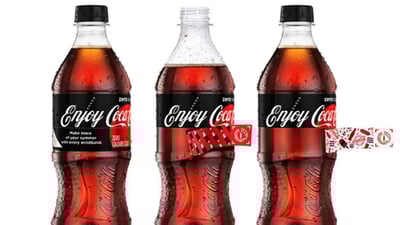
 Coca-Cola re-engaged dormant consumers with gamified challenges through its Sip & Scan program. By scanning product packaging, members unlocked instant rewards such as tickets and merchandise. Seasonal, limited-time scanning challenges added novelty and a sense of play, turning routine purchases into interactive experiences. This gamified approach proved effective in driving repeat participation and pulling back lapsed members, showing how game mechanics can transform a standard loyalty touchpoint into sustained engagement.
2. Yeo Valley 'Yeokens'
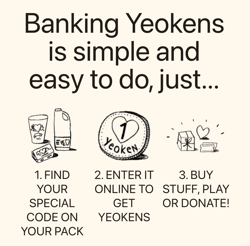
 Yeo Valley kept its program relevant by using content-led re-engagement through its Yeokens rewards. Members earn Yeokens via product codes, surveys, or referrals and can redeem them for eco-prizes, farm experiences, or charity donations. Crucially, the program layers educational content around organic farming and sustainability, making the touchpoints more than transactional. By delivering content that aligns with members’ values and everyday choices, Yeo Valley successfully reignited interest among members who might otherwise drift.
Key Takeaways
- Re-engagement is often more cost-effective than new acquisition when done thoughtfully.
- Timing, personalization, and creativity are the levers that work best with dormant members.
- Success should be measured not only by initial reactivation but also by sustained activity afterward.
- Dormancy isn’t failure; it’s an opportunity to re-establish relevance and deepen loyalty.
FAQs
Q: Can re-engagement efforts improve overall loyalty program performance?
A: Absolutely. Successfully reactivating dormant members not only boosts immediate revenue but also strengthens long-term engagement. Insights from re-engagement campaigns can inform program improvements, refine communication strategies, and enhance the value perceived by all members.
Q: How and when should brands reach out to dormant members?
A: Timing is critical. The highest reactivation rates occur within 60–90 days of inactivity. Early, well-targeted outreach - paired with personalized incentives, relevant content, or interactive experiences - keeps your brand top of mind and maximizes the chances of bringing members back.
Q: How can brands prevent members from becoming dormant in the first place?
A: Proactive engagement is key. Brands can maintain attention by using personalized messaging, timely product reminders, and relevant content. Segment members by activity patterns to tailor communications, blend digital and in-store experiences, and offer relevant, timely rewards. These strategies reduce the risk of dormancy and keep members actively engaged.
Q: What are common pitfalls to avoid when re-engaging dormant members?
A: Brands should watch out for:
- Over-discounting: Excessive incentives can erode margins and reduce perceived value.
- Too frequent outreach: Bombarding members can hurt brand perception and lead to unsubscribes.
- Irrelevant messaging: Generic or mistimed communications reduce engagement and may annoy members.
- Not measuring properly: Track key metrics like reactivation rate, repeat purchases, and long-term retention to understand campaign effectiveness and optimize future efforts.
Looking to re-engage your dormant loyalty members? Talk to our team and learn how Snipp can help you turn inactivity into renewed loyalty.

Subscribe for updates straight to your inbox