
Shoppers are Creatures of Habit
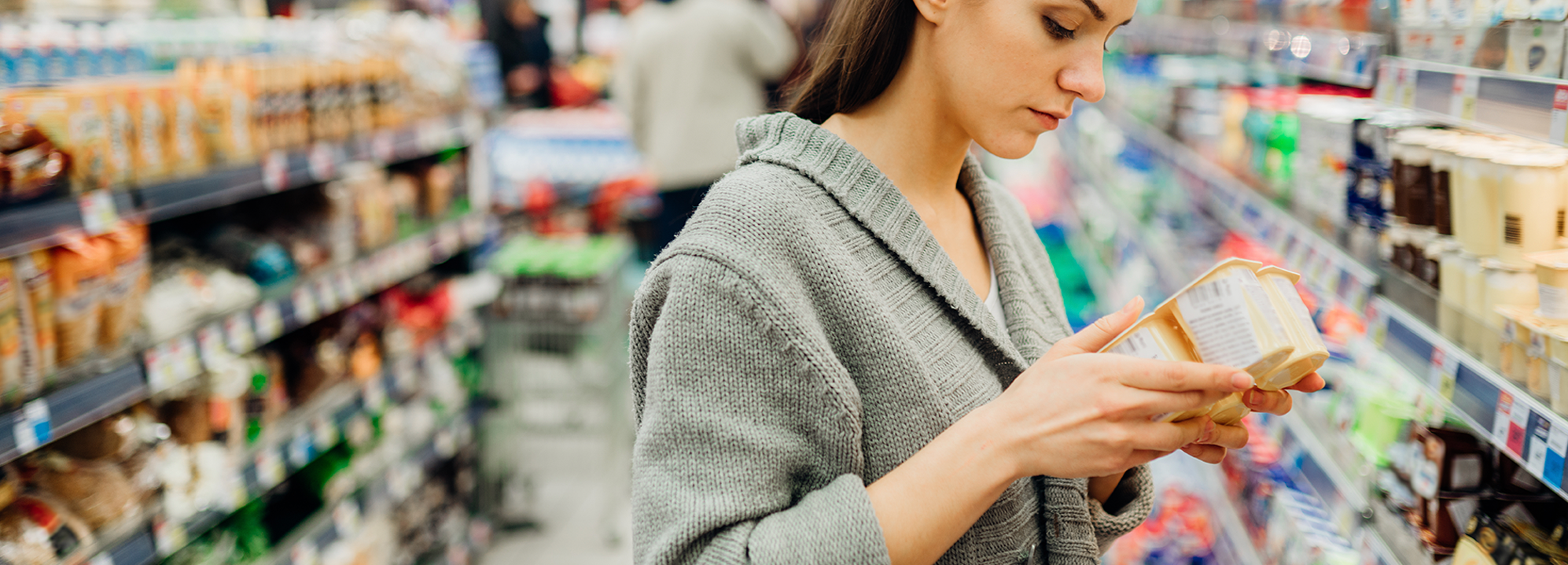
Whether it’s buying groceries or a new pair of shoes, most consumers will stick to what they know. And the data proves it. According to a recent Nielsen study, 22% of US consumers are nervous or worried about trying a new product. While 85% of purchases involve brands the customer’s already familiar with.
A shopper marketing strategy that blends the in-store and online shopping experience into a coherent whole can help you overcome the challenge of intractable customers. But first things first, what is the definition of shopper marketing?
of purchases involve brands the customer’s already familiar with



What is Shopper Marketing?
Shopper marketing is a marketing strategy brands and retailers use to enhance the in-store and online shopping experience at point-of-sale. Whether it’s optimizing in-store layouts or simplifying the e-commerce checkout process, the goal of shopper marketing is to:
- Deliver great customer experiences
- Drive sales
- Raise brand awareness
- Build retail relationships
/Relationship_Icon.svg)
Shopper Marketing Vs…
Trade Marketing
People often confuse shopper marketing with trade marketing. But the two approaches are very different.
Trade marketing focuses on building win-win relationships with wholesalers, distributors, and retailers to increase demand in your supply chain. Whereas shopper marketing is all about the end consumer. It’s a strategy that creates the best shopping experiences to increase sales, build stronger customer relationships, and more.
Brand Marketing
The purpose of brand marketing is to build memorable brands that people want to engage with. A successful brand marketing strategy:
- Adds value to your company
- Establishes your brand identity
- Raises brand awareness
- Enhances your reputation
A robust brand marketing strategy is the key to building strong, mutually beneficial retailer relationships. Brands get more in-store visibility and support for their products, while retailers get a reliable stream of qualified leads.
Brand marketing strategies tend to be long-term and use a variety of platforms, channels, and devices. For example, email, mobile, and social media.

Why Does Shopper Marketing Matter?
Today’s brands and retailers operate in a dynamic, omnichannel environment. Social media, mobile apps, personalized email messages – it’s easier than ever to engage with your customers. But competition has boomed in the last 50 years and grabbing the customer’s attention at point of sale has become increasingly difficult.
Shopper marketing matters because it…
Drives Sales
Every sale offers a window into customer behavior, preferences, and motivations. Shopper marketing provides a strategic framework that helps you convert raw customer data into actionable insights that drive sales by helping you:
- Optimize shelf layouts
- Decide where to position in-store displays for maximum engagement
- Design product packaging that resonates with customers
- Capitalize on emerging trends
Fosters Brand - Retailer Relationships
The right shopper-marketing strategy includes manufacturers working with retailers to design and create solutions and tactics beneficial to both. Joint shopper marketing promotions influence consumer behavior and increases demand to help retailers drive sell through with customers.
By working together as partners, retailers and manufacturers can provide the greatest value to customers at the lowest possible cost. Brands need to provide comprehensive support to their retail partners and retailers in turn provide incremental shelf and display space to incite shoppers.
Creates Consistent Omnichannel Experiences
Customers don’t distinguish between online and offline in the same way as retailers. 73% of customers use multiple channels on their path to purchase – and they expect you to deliver a consistent experience every step of the way.
Omnichannel shopper marketing gives you a holistic view of the entire path to purchase, so you can provide positive and cohesive experiences as customers transition between touchpoints.
Fuels eCommerce Success
E-commerce has enjoyed a steady rise in popularity through direct-to-consumer and online channels over the past two decades as they ditch the high street and embrace the convenience of online shopping. That popularity skyrocketed during the pandemic creating new opportunities – and challenges.
In an increasingly crowded marketplace, eCommerce shopper marketing helps you raise brand awareness, drive traffic to your online store, and turn first-time visitors into long-term customers. It harnesses a range of tools and shopper marketing tactics to do this, including:
- SEO
- Social media
- UGC and branded content
- PPC
- Retail media networks
Powers Personalization
Customers appreciate brands that offer a personal touch. 80% of customers are more likely to shop with brands that offer a personalized experience. Showing that you understand their challenges and desires can go a long way to earning their loyalty.
Shopper marketing leverages the latest martech to provide you with accurate and relevant consumer insights. This gives you a window into customer behavior, preferences, and the various factors that influence purchasing decisions, so you can deliver targeted campaigns that resonate with your audience.
For ideas, see also our post on Shopper Marketing Campaign Examples.

Shopper Marketing Tactics
Promote a Welcoming Atmosphere
Never underestimate the impact a pleasant atmosphere can have on the shopper experience. The design and layout of your store, as well as lighting, choice of music, and even your store’s scent, can influence shopper behavior on a subconscious level.
Scent marketing can boost in-store sales by as much as 11% and increase customer satisfaction by 20%. High-tempo music makes people shop faster, according to one study, while slower-paced music relaxes customers, so they spend more time browsing.
Retailers can leverage shopper marketing technology, including POS systems and apps, to find out what customers want from the in-store experience. You can then optimise the experience to match their preferences.

Bloomingdale’s takes a subtle approach to scent marketing. Each department uses a different, thematic aroma to encourage shoppers to buy specific products. For instance, the swimwear department smells of coconuts to get shoppers in the mood for a beach break.

Create Eye-Catching Displays
End-of-aisle and freestanding displays are one of the most effective tools for building brand recognition and convincing shoppers to buy your products.
These don’t have to be static countertops or window displays. Interactive or animated digital displays can help you grab the customer’s attention in cluttered or noisy supermarkets, where they have dozens of choices in every product category.
Popular product display types:
- Display cases
- Countertop displays
- Point-of-purchase
- Freestanding
- Gondola
- Shelf stoppers
- Glorifiers
Embrace Receipt Marketing
Retailers and customers often think of receipts as purely functional. But they can be a powerful weapon in your shopper marketing arsenal – if you know how to use them.
A receipt processing platform lets you collect, consolidate, and analyze point of sale (POS) and behavioral data. It gives you deeper insights into your customers. For example, which product categories are often bought together. This helps you optimize displays by positioning products that are frequently bought together next to each other.
Used correctly, receipt data allows you to build scalable receipt reward programs that increase loyalty and drive sales.

Kellogg’s uses receipt validation technology to enhance its Family Rewards Program. Customers receive a token and sweepstakes entry every time they upload a receipt or participate in other fun activities. In return, Kellogg’s receives invaluable shopper and basket data to help them understand customer purchasing behaviors.

Offer Free Samples and Demos
Product demos and free samples are a unique way to showcase the benefits, qualities, or key features of your products.
They allow you to and engage with prospective and existing customers by providing a human touch and letting shoppers experience and test products before they buy them. T
hey can help you increase awareness, attract new customers, build trust, and increase loyalty.
 of customers favor cosmetics brands that provide free samples pre-purchase.
Run Contests, Sweepstakes and Promotions
Consumer promotions like contests and sweepstakes, inject an element of fun into the shopping experience. By completing a simple task or activity, customers can win exciting prizes. This could be anything from an e-gift card to a free holiday.
Today’s shopper marketing solutions make it easier than ever to design, coordinate, deploy, and measure your promotions. The right solution ensures that your contests and promotions are:
- Quick and easy to enter
- Relevant to the customer’s purchase
- Shareable
- Scalable
- Measurable
What’s in it for you? A well-executed contest increases brand engagement. And since engaged customers represent a 23% premium in wallet share and profitability over the average customer, contests can also positively impact your bottom line.

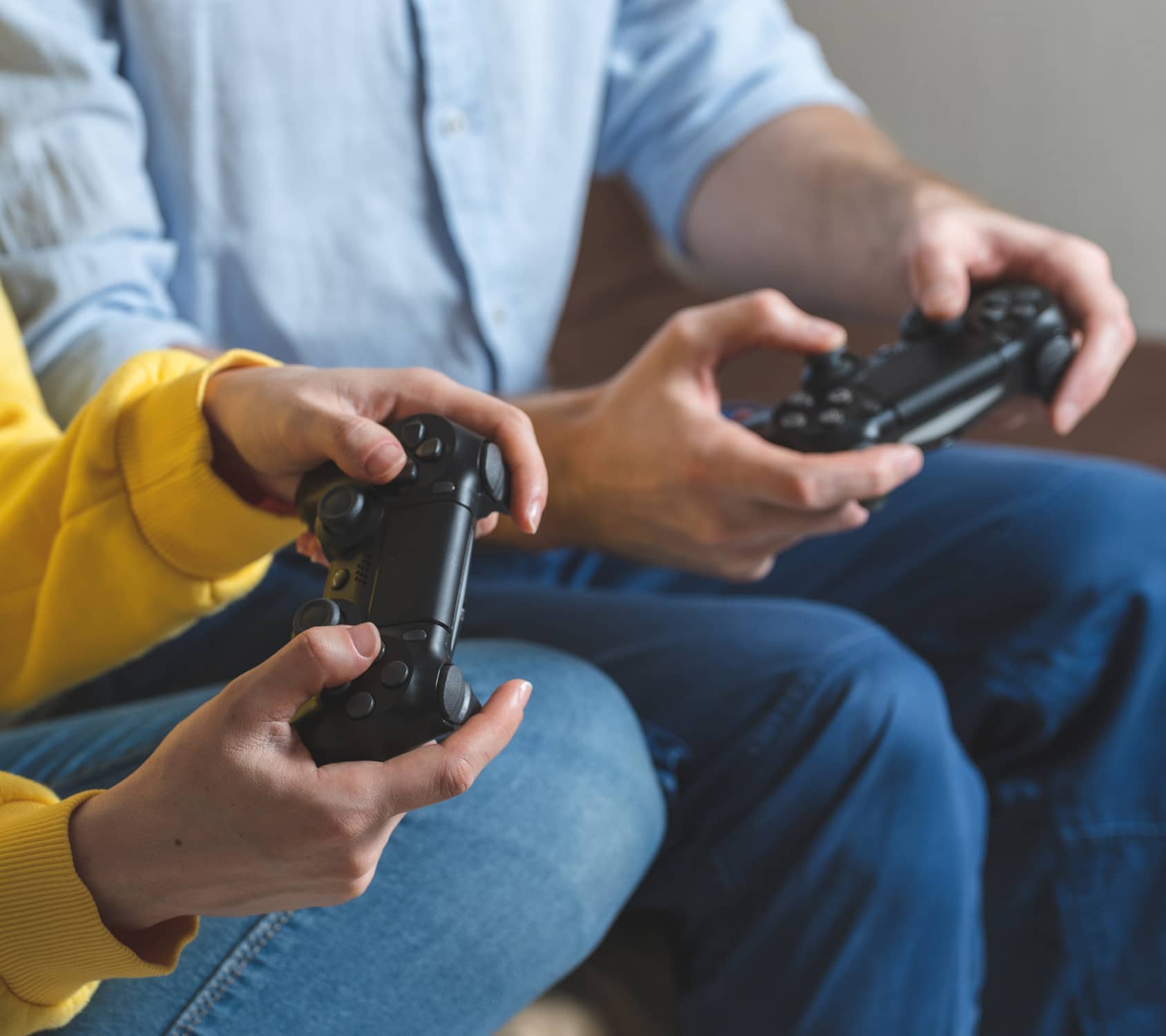
Red Bull’s ongiong gift-with-purchase campaign has helped to increase sales of its products and promote its partnership with Gran Turismo 7. Customers who buy qualifying products at Walmart can submit their receipts online to earn exclusive in-game livery.
Use Geotargeting
73% of customers use social media to enhance their shopping experience. This covers the entire path to purchase – from reading customer reviews on Instagram to buying products directly from the Facebook Marketplace.
One of the best ways to incorporate social media into your shopper marketing strategy is with geotargeting. Geotargeting leverages shopper marketing technology to help you deliver targeted content and messages directly to your customers, based on their location. This ensures the right products and messages appear in front of the right customers at the right time.
of consumers will try a new brand if they see a relevant ad.


What Does the Future of Shopper Marketing Look Like?
Trend #1 Emerging Technologies Create New Opportunities
Driven by the proliferation of smartphones, technology will continue to blur the lines between the in-store and online shopping experience.
Over 83% of the world’s population own a smartphone. And, according to the latest Global Digital Shopping Index, 42% of people who shop in-store use their smartphone at least once during a transaction.
of people who shop in-store use their smart phones at least once during transactions

Among several shopper marketing tech trends, the next few years will see greater investment in:

Payments Media Networks
The rise of Payments Media Networks is helping marketers open a brand new shopper marketing advertising channel by leveraging contextual and/or behavioral targeting solutions.
Bank channels represent a virtually untapped audience of more than 200 million (US) highly engaged shoppers and brands can now deliver SKU-level, grocery cash-back offers on credit/debit card reward programs to this highly engaged audience, within their banking app.
US consumer banks have high engagement with 66% of their customers opening their apps at least once each week and they often visit their banks' rewards programs.

Augmented Reality
Augmented reality (AR) is transforming the principle of try before you buy – especially in fashion retail. With nothing more than a smartphone, shoppers can see how different outfits will look on them in virtual fitting rooms.
71% of shoppers say they’d shop at a retailer more often if it offered AR technology. Savvy retailers can use AR to improve the customer experience and boost conversion rates.

Livestream Shopping
Brands in China have had huge success with livestream shopping. And industry experts predict this trend is about to go global.
The way it works is simple. Influencers sign in to their preferred social media platform and livestream their shopping experiences. Followers can ask questions and share opinions in real time, allowing them to learn more about products and brands in a more authentic way.
For brands and retailers, livestream shopping helps them:
- Promote and sell products more efficiently
- Connect with customers in authentic ways
- Leverage large and passionate influencer networks

The Metaverse
Defining the metaverse is tricky. Ask 20 techies to define it, and you’ll receive 20 unique answers. In a nutshell, the metaverse is a shared virtual environment. Users explore the metaverse using digital avatars that can look exactly like them or represent an aspect of their personality.
That might sound a bit like The Matrix, but the real-world applications for shopper marketing are far less mind-bending.
Gaming and other platforms have already demonstrated the potential of the “emerging metaverse” in the retail space. Like social media, the metaverse bridges the gap between you and your customers, providing exciting new opportunities to raise brand awareness and market products via innovative digital experiences.
Gartner predicts that the metaverse will reach full maturity by 2028. So, you still have time to think about how you can incorporate the metaverse into your shopper marketing strategy.
Trend #2 Personalization Becomes Individualization
For many years, personalization was the holy grail for shopper marketers. To stand out in a crowded marketplace, brands and retailers would strive to deliver personalized messages and offers to their customers. Typically, this relied on third or second-party data which doesn’t always produce the best results.
Customer expectations have changed. They expect brands and retailers to dig deeper and provide individualized experiences.
91% of consumers are more likely to purchase from brands that deliver tailored offers. The most successful brands will be those that go the extra mile to understand individual customer buying journeys. And this requires you to combine third and second-party insights with the first and zero-party data you collect from customers on every channel and touchpoint.
The challenge for shopper marketers will be providing this level of individualization in a digital, cookie-less world where privacy comes first.
of customers are more likely to purchase from brands that deliver tailored offers.

Trend #3 Brands and Retailers Double Down on User-Generated Content
Branded messaging doesn’t carry the weight it once did. In just a few clicks, shoppers can access hundreds of candid user reviews and the unfiltered opinions of their fellow shoppers. What customers really want is authenticity and transparency.
Enter user-generated content (UGC).
According to the 2022 Shopper Experience Index, 40% of customers are more likely to buy a product from an ad on the strength of UGC, like customer reviews. Brands and retailers will embrace authentic UGC to build trust and loyalty among their customers in the coming years.
of customers are more likely to buy a product on the strength of user-generated content

Trend #4 Rewards Programs Evolve
There’s been a sea change in the makeup of customer rewards programs in recent years. Everyone likes a discount, but today’s customers want more. They want brands and retailers to think outside the box and provide personalized experiences that add value to their loyalty.
Shopper marketers are taking up the challenge and exploring more innovative approaches to customer rewards. These include:
- Cash rewards: From PayPal to digital and physical pre-paid rewards cards to BitCoin gift-cards
- Branded rewards: Includes branded merchandise and electronic goods
- Experiential rewards: Includes travel, sports, entertainment, fitness, and beauty
- Gift cards: Includes digital and physical gift cards

North Face’s XPLR Pass program is a great example of customer loyalty done right. Participants can exchange reward points for a range of travel experiences, including mountain climbing adventures.


Experiential Rewards

Gamification

Charitable Donations
Trend #5 Neuromarketing Goes Mainstream
Neuromarketing, also called consumer neuroscience, is the study of the human brain to predict and influence consumer behavior. At one time, marketers regarded it as frontier science and viewed the retail applications with skepticism. But recent studies have demonstrated its value, and we expect to see brands and retailers harness that potential.
Neuromarketing uses a range of tools that give you a better understanding customer motivations and preferences. These include eye-tracking, facial coding, and biometrics.

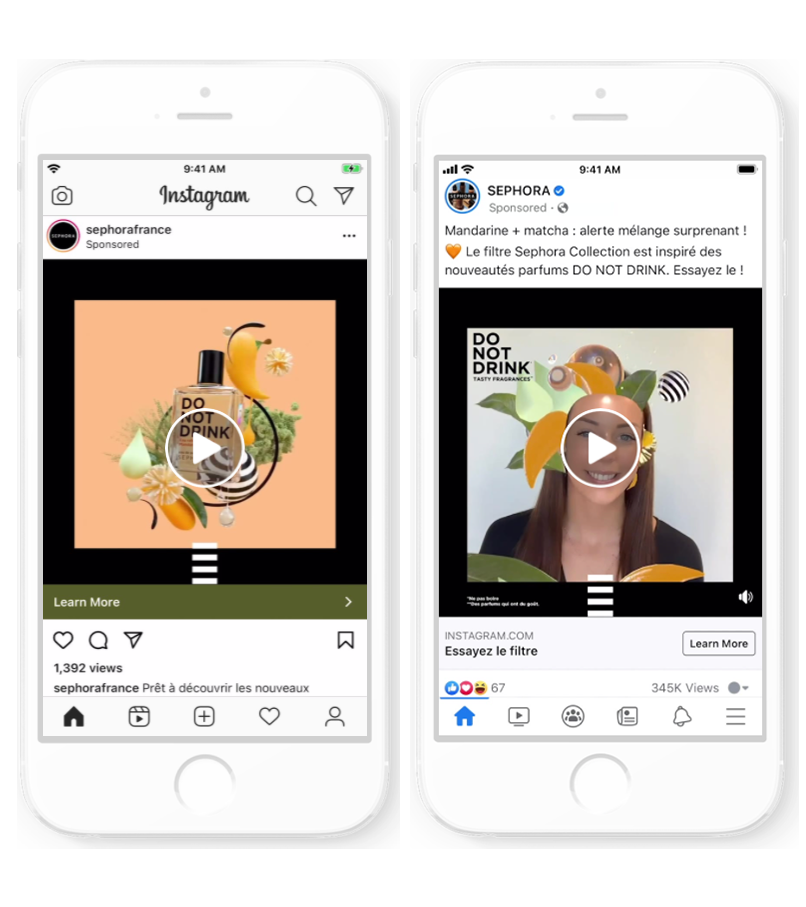
For its fragrance launch, Sephora collaborated with Instagram creators to build an eye-catching campaign with the theme “Smell with Your Eyes” that incorporated images to suggest certain tastes. Neuroscience shows that scent and taste share the same receptors in the brain and taste can act as a powerful proxy for scent.
About Snipp
Snipp provides promotions and loyalty programs designed to engage customers across the entire path to purchase – in-store, at home, and online. Clients can run everything from one-off promotions to evergreen loyalty programs that meet objectives at a brand, shopper, category, and portfolio level. Programs and promotions are customizable by region, language, channel, retailer, and more.
SnippCARE, our modular Customer Acquisition, Retention & Engagement platform, is powered by our market-leading receipt processing platform for purchase and non-purchase validation. SnippCARE enables you to implement ROI-driven, global omni-channel programs.
We capture zero-party data in real time to build proprietary data sets that drive engagement, personalization, and brand loyalty, and enable intelligent decision-making. It’s tailor-made for brands to build deeper relationships with their consumers. We'll work with your shopper marketing agency to integrate with your overall marketing strategy.
For over a decade, we’ve worked with the world’s leading organizations in both B2C and B2B spaces, across industry verticals. These include CPG/FMCG, retail, pharma, utility, home and outdoor, alcohol, tobacco, lifestyle, and more