A one-size-fits-all approach to customer loyalty isn’t viable in today’s crowded market.
Loyalty segmentation turns generic reward programs into precise, data-driven engagement strategies. By analyzing first- and zero-party data, brands can identify distinct customer groups and tailor rewards, offers, and communication to each one’s behaviors and preferences. The most effective programs don’t stop at demographics or spend patterns; they blend behavioral, preference-based, and RFM insights to understand what customers buy, why they buy it, and when they’re most likely to engage or drift away. Modern loyalty platforms powered by AI and machine learning can uncover deeper trends, predicting customer actions and personalizing offers in real time. This approach strengthens every stage of the loyalty journey, helping brands retain frequent shoppers with relevant incentives, re-engage dormant customers through timely offers, and identify cross-sell or up-sell opportunities by aligning product recommendations with real customer intent. Over time, this shifts the purpose of loyalty programs from rewarding transactions to building genuine, lasting relationships that turn customers into passionate brand advocates.
Customers expect personalized offers and incentives from their brands – Forbes states, 81% favor brands that personalize their experiences. And with so many brands to choose from, customers know that if you don’t meet their needs, plenty of others will.
Tailoring your customer loyalty programs to cater to various habits, behaviors, and preferences requires a lot of data. More than that, it requires a robust loyalty segmentation framework.
What is Loyalty Segmentation?
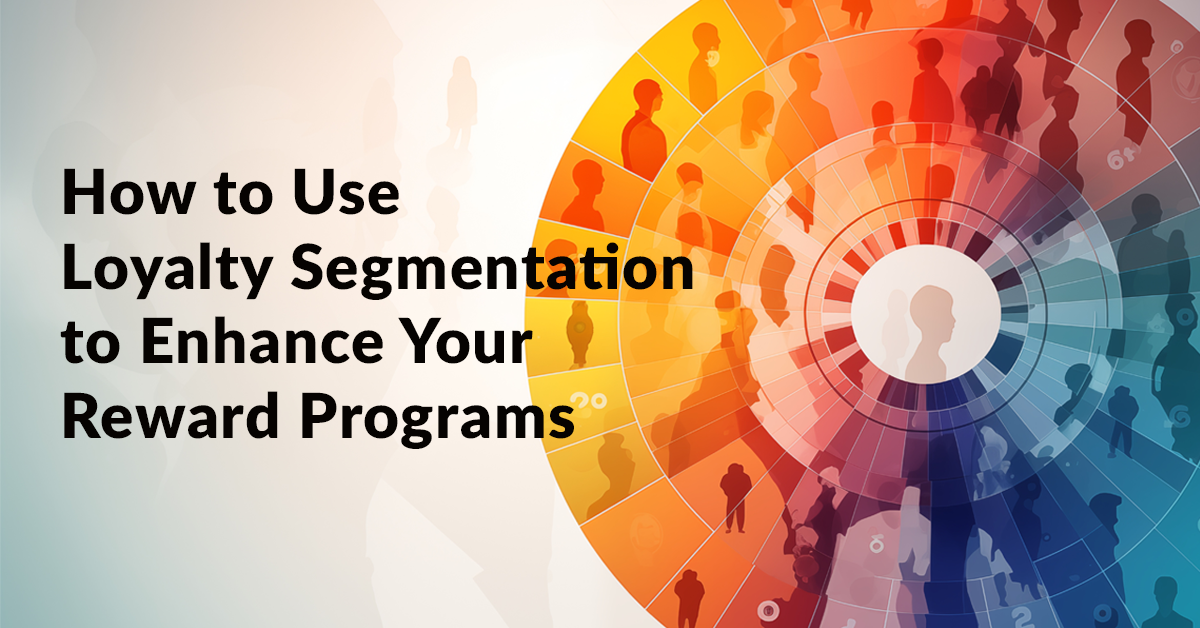
Loyalty segmentation is the process of dividing loyalty program members into distinct groups based on shared characteristics, collected and analysed from first and zero-party data. This allows you to create targeted marketing strategies, offering more relevant products and promotions to each group, and better understand each segment's habits and preferences.
The characteristics that underpin loyalty segmentation typically fall into one of three categories:
Purchase Behavior
This covers everything from the actions customers perform leading up to a purchase to the motivations that influence purchasing decisions, such as price and product quality. Purchase behavior insights give you a deeper appreciation of your customers' shopping habits and help you identify buying trends.
Examples of purchase behavior data are:
- Average spend
- Time of purchase
- Purchase frequency
- Product mix
- Basket size
- Preferred channels
Receipt data is an invaluable source of purchase behavior insights.
Non-purchase behavior
Non-purchase behavior insights focus on actions that don't directly result in a purchase and what they can tell you about your customer's preferences, interests, and values. Non-purchase insights help you understand what makes your customers tick.
Typical non-purchase behavior insights include:
- Preferred communication channels
- Preferred payment methods
- Tech usage
- Lifestyle
- Values
- Beliefs
There are numerous ways to collect non-purchase insights, including surveys, referrals, and social media engagement.
Demographics
More than the previous categories, demographic insights refer to the statistical characteristics of consumers and what this can tell you about purchasing habits. They provide hard data to help you tailor your programs to specific regions, generations, or similar segments to improve satisfaction and retention.
Demographic data typically covers:
- Age
- Gender
- Martial status
- Location
- Occupation
- Income
- Language
You can collect demographic data as part of the program sign-up process or from customer receipts.
The Role of Customer Loyalty Platforms in Loyalty Segmentation
Advanced customer loyalty platforms combine built-in data analytics and segmentation capabilities to enhance today's programs. This allows you to deliver more personalized experiences, which provides a wide range of benefits:
- Increase program engagement and participation
- Drive brand advocacy
- Maximize customer lifetime value
Steps to Effective Loyalty Segmentation
- Define your goals
- Gather and analyze data
- Create dynamic customer segments
- Design segment-specific engagement strategies, based on your goals
- Implement your engagement strategies
- Measure, track, and optimize
Popular Loyalty Segmentation Models
There are several segmentation models you can use in your reward programs. Ideally, your customer loyalty platform should support all three so you can incorporate aspects of each as required.
The three most popular models are:
- Recency, frequency, monetary (RFM)
- Behavioral
- Preference-based
Recency, Frequency, Monetary
Arguably the most comprehensive loyalty segmentation model, RFM uses past purchasing behavior to group customers based on three key metrics:
- Recency – last purchase date/time since last purchase
- Frequency – number of purchases made in a specific period
- Monetary – value of previous purchase and/or amount spent over a particular period
The RFM model helps you identify your most and least profitable customers. You can then tailor your marketing strategies to reward your biggest spenders and re-engage lapsed customers.
Behavioral
The behavioral model categorizes customers based on purchasing patterns and brand interactions. For example, the time of day they’re most likely to shop or how and where they engage with your marketing.
Typically, the behavioral model splits customers into four segments:
- True loyals – customers who have an emotional connection to your brand. They're advocates who consistently purchase and promote your products.
- Habituals – customers who shop with you regularly but don’t have an emotional connection to your brand.
- Latents – customers who have a positive attitude towards your brand but don’t purchase regularly.
- Switchers – customers who aren’t loyal to your or any brand and change regularly.
Use the behavioral model to identify your biggest brand advocates, casual consumers, and everyone in between. With this information, you can run different promotions to target specific audiences.
Preference-based
Like the behavioral model, preference-based loyalty segmentation uses attitudes, motivations, and sentiment to group customers. This includes everything from lifestyle choices to their social and political views.
The preference-based model is ideal for promoting relevant products to different segments and tailoring your messaging to better align with their preferences to increase conversion rates.
5 Ways to Use Segmentation in Your Loyalty Program
1. Identify Key Segments
In the past, brands typically categorized customers based on assumptions or gut feelings. Loyalty segmentation provides empirical data, allowing you to separate customers into more meaningful groups. There are several ways to collect this data, including your customer loyalty solution and via receipt-based promotions using a receipt processing platform.
Key loyalty segments aren’t only your top spenders or most frequent shoppers. They include at-risk customers who're considering switching to one of your competitors or dormant customers who haven’t engaged with your brand for a long time.
Identifying these segments helps you diversify your loyalty program – whether that’s offering bonus points to habitual customers for completing a survey or re-activating lapsed customers with enticing rewards.
2. Personalize Offers and Rewards
Loyalty segmentation enables you to personalize your programs with offers and rewards that tie into your segments' preferences and behaviors for maximum engagement and increased sales. Identified a small cohort of big spenders? Show them some love with exclusive discounts, early access to new products, or personalized thank-you gifts. Want to increase basket size among casual shoppers? Highlight complementary products to encourage them to spend more.
3. Create Segment-specific Content
Every customer is unique. Just because your messaging resonates with group A, doesn’t mean it’ll resonate with group B.
Loyalty segmentation helps you understand what makes different customer segments tick. Using this information, you can tailor your content to their purchasing habits, preferences, and intent, enhancing engagement.
For example, behind-the-scenes content, exclusive previews, and personalized recommendations are perfect for brand evangelists who want to get under the skin of their favorite brands. Educational content that provides tips on how to get the most out of your products is ideal for casual consumers who have recently discovered you. Baby and pet care brands are masters of segment-specific content, creating unique content for each stage of the child or pet's early years.
4. Identify Cross-sell or Up-sell Opportunities
Loyalty segmentation lets you build and target segments from among customers who purchase from multiple brands in your portfolio. You can then create personalized offers that encourage them to buy additional or complementary products, unlocking new cross- or up-sell opportunities.
Let’s say you run a sporting goods brand. You notice purchases of baseball bats increase by 30% every February among one of your key segments, coinciding with the start of the Little League season. Using this knowledge, you could run a targeted offer on bat care products or create product bundles with various accessories, like catcher’s mitts, to drive purchases.
5. Win Business from Competitors
If you run purchase-based promotions, you can collect receipt data as customers claim rewards. This gives you access to basket analysis across your members – which store they shop at, which products they buy together, how much they spend, etc.
Loyalty segmentation allows you to group casual or infrequent purchasers and deliver targeted offers to encourage them to change their brand allegiance. You can monitor the success of your efforts by setting up custom reports in your customer loyalty platform.
AI-enhanced data analytics takes this to the next level. Today's increasingly sophisticated algorithms can spot previously unseen patterns in your data to predict and even influence consumer behavior.
Loyalty Segmentation Examples
Netflix
Netflix is the master of loyalty segmentation.
The streaming giant uses a proprietary machine learning algorithm and billions of data points to power its industry-leading recommendation engine. This allows Netflix to deliver unique, personalized viewing experiences for every customer.
Netflix creates multiple teasers (landing cards) for every title, using viewing history and rankings to display imagery that best appeals to specific customer segments – maximizing interest and click-through rate.
Schiff Rewards
Reckitt Schiff uses loyalty segmentation to create tailored offers and promotions to improve customer retention across its portfolio of vitamin brands.
Members of the Schiff Rewards loyalty program earn points on qualifying purchases across multiple channels – in-store, online, and direct-to-customer. They can also earn points through non-purchase activity, like sharing posts on social media. Customers can then exchange these points for digital rewards and product coupons.
Sephora Beauty Insider
As part of its Beauty Insider program, Sephora uses loyalty segmentation to categorize customers based on their level of brand engagement.
Frequent shoppers and people who engage with the brand regularly on social media gain access to exclusive offers, free samples, and personalized product recommendations. Implementing loyalty segmentation has helped Sephora drive sales and increase customer retention.
Hayward Get Paid to Upgrade
Leading swimming pool designer and manufacturer Hayward uses loyalty segmentation to enhance its installer rebate program.
Available in the US and Canada, the multi-lingual program rewards installers who replace competitor pumps, heaters, filters, and other select items with Hayward products. Built on Snipp's customer loyalty platform, Hayward can run multiple offers and promotions concurrently, with intuitive member tiering and segmentation to provide a variety of digital rewards options.
Starbucks Rewards
The standard-bearer for customer loyalty programs, Starbucks Rewards segments its customers based on lifestyle choices and interests to deliver more personalized products.
After identifying a health-conscious customer segment that prefers healthier food options, Starbucks created a range of organic, low-calorie beverages and plant-based milk alternatives. Beyond expanding their range, this demonstrates Starbucks’ willingness to accept and act on feedback – a big step in building a loyal customer base.
Divide and Conquer
Done well, loyalty segmentation helps you adapt your loyalty programs to different markets, products, and channels. It allows you to add value to the customer experience – whether that’s rewarding frequent shoppers with exclusive rewards or enticing casual consumers to stick around with unmissable, limited-time offers.
FAQs
Q: I already have a loyalty program. Why should I care about segmentation?
A: A loyalty program without segmentation is like having a map with no landmarks. Segmentation reveals who your top-value customers are, what drives their loyalty, and where to focus your budget for maximum return. With Snipp, you can integrate receipt data and behavioral insights to continuously refine your segments and make every offer count.
Q: How can loyalty segmentation help me drive repeat purchases in-store and online?
A: Loyalty segmentation helps you understand what motivates your customers to buy repeatedly. By grouping them based on purchase frequency, basket size, and product mix, you can identify your most loyal shoppers and the ones slipping away. With Snipp’s platform, you can trigger personalized offers - like bonus points for repeat purchases or exclusive in-store rewards - to re-engage and retain them across all channels.
Q: Can segmentation help me personalize rewards without overwhelming my team?
A: Absolutely. Snipp’s platform automates segmentation and offers delivery, so your team doesn’t need to manually manage cohorts. You define your rules - spend threshold, purchase frequency, engagement level - and our AI-driven system takes care of the rest, serving dynamic rewards that evolve with customer behavior.
Q: How does segmentation improve campaign effectiveness?
A: Segmentation ensures your campaigns speak directly to the right audience with the right message. Snipp helps you create tailored customer journeys - rewarding advocates with exclusive perks while re-engaging inactive customers with time-sensitive offers. This results in higher engagement, more redemptions, and stronger brand relationships.
Q: How does Snipp’s loyalty platform support segmentation?
A: Snipp’s customer loyalty platform includes built-in data analytics and segmentation capabilities. These allow retailers to divide customers into meaningful groups based on purchase behavior, non-purchase behavior, and demographic insights. With these capabilities, retailers can run multiple offers and promotions at once, apply dynamic segmentation, and deliver relevant rewards to different customer groups.
Not sure how to incorporate loyalty segmentation into your program? Get in touch with our experts to find out how our customer loyalty platform can help you.

Subscribe for updates straight to your inbox