Contractor loyalty programs don’t fail because contractors don’t care. They fail because the program configuration doesn’t match the contractor’s reality. That reality is shaped in part by industry. HVAC, roofing, electrical, plumbing, flooring, and specialty trades all operate differently with different seasonality, purchasing patterns, crew structures, and regulatory requirements. Those differences influence how contractors behave and what they value in a loyalty program.
As a result, most B2B channel businesses don’t have one contractor persona. They have several. An independent installer, a growing regional firm, and a multi-crew operation may all sit within the same channel ecosystem and respond very differently to the same incentive mechanic.
The most effective contractor loyalty programs are designed with this complexity in mind. They don’t force every participant into a single model. Instead, they layer configurations that align to different personas, industries, and moments in the work cycle.
Below are 9 contractor loyalty program configurations, mapped to specific contractor personas, with deeper explanation on why each one works. These patterns show up repeatedly in real-world programs — including those supported by Snipp — and they offer a practical framework for designing programs that actually boost participation across a diverse contractor base.
1. Points for Proof of Install
Best for: Independent installers, sole proprietors, small crews
Common industries: Electrical, plumbing, appliance installation, specialty equipment installs, residential HVAC
How it works: Contractors earn points by submitting proof of installation — a photo, invoice, or serial number — via a mobile-friendly flow. Validation happens automatically and rewards are issued quickly.
Why this persona responds: In many trades, the installer is the decision-maker at the job site, even if purchasing happens elsewhere. These contractors don’t want to chase distributor paperwork: they want credit for the work they just completed.
This configuration fits naturally into:
- Residential electrical and plumbing installs
- Appliance delivery and installation networks
- Specialty equipment installs with serial-number tracking
- Retrofit or replacement-heavy service work
Key takeaway:
When the installer controls brand choice on-site, reward the install itself.
Example:

Hayward is rewarding pool professionals who influenced brand choice at the job site, even when purchasing happened through distributors. Leveraging Snipp's channel loyalty platform, contractors earned points by submitting proof of installation through a simple mobile flow, such as photos and product details. Automated validation ensured fast reward fulfillment while reducing fraud. The result was strong participation from installers who finally received credit for the work they completed, not the paperwork they didn’t control.
When installers drive brand selection, rewarding the install itself unlocks engagement.
2. Tiered Status by Rolling Volume
Best for: Growing contractors, small-to-mid regional firms
Common industries: Commercial HVAC, roofing, fire & life safety, security integration, mechanical contracting
How it works: Contractors earn tiered status (Silver, Gold, Platinum) based on rolling quarterly or annual volume. Higher tiers unlock better earning rates or access to premium rewards.
Why this persona responds: As firms grow, predictability matters. These contractors want to know which brands support them as they scale, and status gives them something to protect.
This model works well in:
- Regional roofing firms managing repeat projects
- Commercial HVAC contractors expanding service territories
- Fire and security integrators bidding multi-site contracts
- Mechanical contractors with predictable quarterly volume
Key takeaway:
Status works best for contractors building long-term volume, not one-off jobs.
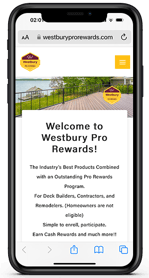
DSI Westbury designed a tiered loyalty program to recognize contractors based on rolling purchase volume rather than one-off jobs. Contractors advanced through status levels that unlocked better earning rates and premium rewards, giving them a clear incentive to consolidate spend over time. Snipp’s platform made it easy to track progress and maintain transparency across tiers.
Tiered status builds loyalty when contractors are focused on long-term growth and predictable volume.
3. Instant SPIFFs for Priority SKUs
Best for: Busy installers, price-sensitive contractors
Common industries: Electrical components, building materials, flooring, HVAC equipment, specialty tools
How it works: Specific SKUs trigger immediate, cash-equivalent rewards once eligibility is confirmed.
Why this persona responds: In high-volume or highly competitive trades, decisions are made quickly. Contractors often choose between comparable products on the same day.
Instant SPIFFs are especially effective for:
- Electrical component substitution at the job site
- Flooring and interior finish product selection
- Building materials sold through competitive distributors
- Time-sensitive replacement scenarios
Key takeaway:
When the buying decision is fast, delayed rewards lose their influence.
4. Training & Certification Rewards
Best for: Quality-focused contractors, newer installers
Common industries: Fire & life safety, electrical, security systems, medical or technical equipment installation
How it works: Contractors earn rewards for completing training modules, certifications, or product education tied to specific systems.
Why this persona responds: In regulated or technical trades, training protects both reputation and revenue. Incentives reduce resistance and encourage adoption of new products.
Common use cases include:
- Fire suppression and life safety system installs
- Security and access control deployments
- Electrical work tied to safety or code compliance
- Technical equipment installation with warranty requirements
Key takeaway
Rewarding learning leads to better installs and fewer downstream issues.
Example:
Alongside transactional rewards, DSI Westbury incentivized contractors to complete training and product education. Contractors earned rewards for certifications that improved installation quality and product knowledge, helping DSI protect brand standards while accelerating adoption of new systems. Snipp handled training tracking, reward issuance, and reporting within the same program environment.
Rewarding education improves install quality while reducing resistance to learning.
5. Bankable Rewards with No Aggressive Expiry
Best for: Seasonal contractors, smaller firms
Common industries: Roofing, landscaping, exterior services, seasonal HVAC, outdoor construction trade
How it works: Points accumulate over time with minimal expiration pressure, allowing contractors to redeem when work slows or needs shift.
Why this persona responds: Seasonal industries already experience enough pressure. Programs that force redemption timelines feel out of sync.
This approach resonates in:
-
Storm-driven roofing and exterior repair
-
Landscaping and outdoor services with off-seasons
-
Smaller contracting firms with uneven cash flow
-
Trades with irregular project cycles
Key takeaway:
Respect seasonality and contractors will stay engaged longer.
 IKO’s contractor base includes many seasonal roofing professionals with uneven cash flow and project cycles. Instead of forcing short redemption windows, IKO’s program allowed contractors to bank rewards over time and redeem when it made sense for their business. This flexibility, supported by Snipp’s rewards and expiration controls, kept contractors engaged across busy and slow periods alike.
Respecting seasonality leads to longer-lasting engagement and higher lifetime participation.
6. Mobile-First Program Design
Best for: Field-based installers, multi-site crews
Common industries: All contractor-heavy trades, especially field-based installation and service networks
How it works: Every interaction — enrollment, claims, tracking, redemption — is designed for fast mobile use.
Why this persona responds: Contractors live on job sites, not behind desks. Any program that requires long forms or desktop access creates friction.
This is non-negotiable for:
- Field service technicians working across multiple sites
- Distributed installation crews without office time
- Emergency repair and on-call service teams
- Contractors submitting claims from job sites
Key takeaway:
If it doesn’t work well on a phone, it won’t get used.
7. Distributor-Linked Earnings (Low- or No-Claim)
Best for: Volume buyers, distributor-loyal contractors
Common industries: Electrical supply, plumbing wholesalers, HVAC distribution, industrial supplies
How it works: Earnings are tied directly to distributor purchase data, often without requiring manual claims.
Why this persona responds: High-volume contractors don’t want another admin task. They want incentives to “just work.”
This configuration aligns well with:
- Electrical supply purchasing tied to distributor POS data
- Plumbing wholesalers serving repeat buyers
- Industrial parts and consumables
- Contractor-distributor ecosystems with strong data sharing
Key takeaway:
The less effort required, the more consistently contractors participate.
8. Seasonal Accelerators
Best for: Weather-dependent trades
Common industries: Roofing, HVAC, landscaping, exterior construction, storm-response services
How it works: Time-bound multipliers or bonuses layered onto existing programs during peak seasons.
Why this persona responds: Seasonality already dictates urgency. Accelerators focus attention without adding complexity.
Effective for:
- Summer cooling and winter heating demand spikes
- Storm-response roofing and remediation
- Outdoor construction and hardscape projects
- Seasonal service surges tied to weather or regulation changes
Key takeaway:
Use seasonality to sharpen focus, not reinvent the program.
9. Team- or Crew-Based Rewards
Best for: Larger contractors, multi-crew operations
Common industries: Commercial electrical, commercial HVAC, large-scale installation firms, project-based contractors
How it works: Rewards are earned at the crew or team level, sometimes alongside individual incentives.
Why this persona responds: In larger firms, outcomes depend on coordination. Crew-based rewards reinforce consistency and accountability.
Works well in:
- Commercial electrical installations across large sites
- Multi-crew service organizations with shared KPIs
- Project-based contracting with tight timelines
- Large retrofit or rollout programs requiring coordination
Key takeaway:
When work is done by teams, incentives should reinforce teamwork.
Summary and Key Takeaways
| Program configuration | Best for | Common industries | How it works | Why this persona responds | Key takeaway |
| Points for Proof of Install | Independent installers, small crews | Electrical, plumbing, HVAC, specialty installs | Submit proof of install via mobile to earn points | They control brand choice on site and want instant credit | Reward the install when installers drive the decision |
| Tiered Status by Rolling Volume | Growing and regional contractors | Commercial HVAC, roofing, fire & life safety | Status tiers earned on rolling volume | Status builds loyalty as firms scale | Tiers work best for repeat, long-term volume |
| Instant SPIFFs for Priority SKUs | Busy, price-sensitive installers | Electrical, flooring, building materials | Priority SKUs trigger immediate rewards | Fast decisions need fast incentives | Speed matters when choices are made quickly |
| Training & Certification Rewards | Quality-focused or newer installers | Fire & life safety, electrical, security | Rewards for training and certification | Training protects revenue and reputation | Incentivize learning to improve outcomes |
| Bankable Rewards with Flexible Expiry | Seasonal contractors, small firms | Roofing, landscaping, seasonal HVAC | Points accumulate with minimal expiry pressure | Seasonal cash flow makes rigid timelines painful | Respect seasonality to sustain engagement |
| Mobile-First Program Design | Field-based, multi-site crews | All contractor-heavy trades | All interactions designed for mobile use | Contractors work on job sites, not desks | If it’s not mobile-first, it won’t get used |
| Distributor-Linked Earnings | High-volume, distributor-loyal buyers | Electrical, plumbing, HVAC distribution | Rewards tied to distributor purchase data | Less admin equals higher participation | Reduce effort to increase consistency |
| Seasonal Accelerators | Weather-dependent trades | Roofing, HVAC, exterior services | Time-bound bonuses during peak periods | Urgency already exists in peak season | Use seasonality to sharpen focus |
| Team- or Crew-Based Rewards | Large, multi-crew contractors | Commercial electrical, commercial HVAC | Rewards earned at team or crew level | Work outcomes depend on coordination | When work is done by teams, reward teams |
The Real Reason Most Contractor Loyalty Programs Miss the Mark
Every contractor loyalty configuration breaks down for the same reason: it conflicts with control, clarity, or context.
- Control: Can the contractor actually influence the outcome?
- Clarity: Do they understand what earns rewards?
- Context: Does it fit how and when they work
When a program violates even one of these, participation suffers. Not loudly, but steadily.
That’s why no single configuration works universally. High-performing contractor loyalty programs don’t bet on one mechanic. They layer complementary ones to reflect different industries, contractor sizes, and moments in the work cycle.
The difference between a program that exists and a program that performs isn’t generosity.
It’s alignment.
Snipp helps brands turn these configurations into programs that actually perform. Our B2B Channel loyalty platform is built to support multiple contractor personas, industries, and incentive mechanics within a single program, from proof-of-install rewards and distributor-linked earnings to training incentives, seasonal accelerators, and team-based rewards. Built-in validation, fraud prevention, and compliance controls ensure rewards are issued only for legitimate activity, while mobile-first design keeps participation easy for contractors in the field. The result is higher engagement, trusted data, and loyalty programs that scale with confidence across complex contractor ecosystems. Connect with us to know more.

Subscribe for updates straight to your inbox