This article originally appeared in Total Retail Read the article
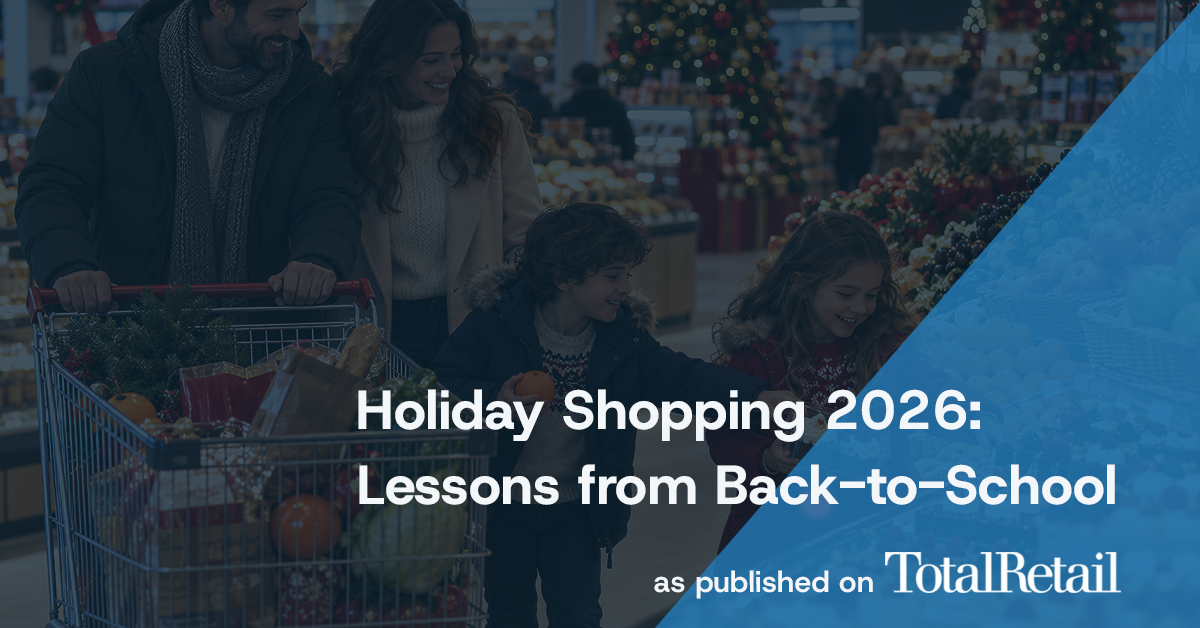
Holiday shoppers are ready to spend, but every dollar has to earn its place in the cart. Back-to-school season offered the clearest preview yet of how consumers will approach holiday shopping in 2026. Snipp CRO Chris Cubba breaks down what brands and retailers can take from those patterns, along with practical ways to shape holiday promotions around value.
Back-to-School Shopping Offers Retailers a Blueprint for the Holiday Season
Back-to-school shopping has given retailers an early look at what could define the holiday season: consumers are willing to spend, but they remain highly focused on value.
A recent back-to-school survey by Snipp found that 74.8 percent of shoppers expected to spend more this year, while 81.8 percent were concerned about affordability. While consumers may be willing to spend more, many are doing so because they have to, not because they feel financially comfortable.
That pressure is changing how people shop, and the lessons retailers have seen during back-to-school are likely to carry into the holiday season. More than 71 percent of respondents said back-to-school shopping had become more about finding value than staying loyal to preferred brands, while 80 percent would switch from a preferred brand for a compelling discount, cashback offer, or rebate.
For retailers heading into the holidays, these behaviors offer a road map: make value easier for shoppers to understand, use promotions strategically to attract new customers, and turn each transaction into an opportunity to build a longer-term relationship.
Lesson 1: Make the value obvious.
When consumers are actively comparing prices and promotions, simplicity becomes a competitive advantage. An offer should communicate its value quickly enough that shoppers don't need to stop and calculate whether it's worthwhile.
Back-to-school showed retailers just how important easy-to-understand value can be. This will be especially relevant as shoppers enter the holiday season. A family may buy multiple gifts at the same time, and in that environment consumers may look beyond traditional discounts and opt for offers such as cash back on electronics purchases, rewards earned on clothing, or incentives that create savings on future purchases.
For retailers, the goal is to reduce the work shoppers must do to understand an offer. When families compare multiple purchases against a limited holiday budget, clearly communicating what they receive and when they receive it can make it easier to assess competing offers and decide where to buy.
|
By the numbers: Snipp's 2026 Back-to-School Shopper Survey
|
Related story: How AI is Ending the Era of Fragmented Shopper Marketing
Lesson 2: Use promotions as an acquisition tool.
The willingness of consumers to switch brands also creates an acquisition opportunity, but retailers should resist treating all new customers the same.
Similar to back-to-school shopping, holiday shopping is driven by specific needs, from apparel and electronics to tickets and experiences. Acquisition strategies can reflect those needs by connecting incentives to the category that brought the shopper into the store or onto the website in the first place.
The objective should be to turn an initial transaction into the beginning of a more meaningful customer relationship. For example, a shopper who purchases a laptop for a gift may be more receptive to a subsequent offer for accessories, software, or other technology essentials than to a generic storewide promotion. Retailers can use what they learn from an initial purchase to make the next interaction more relevant.
Acquisition and loyalty strategies need to work together. Incentivizing a new shopper to switch brands shouldn't come at the expense of customers who have demonstrated loyalty over time. Existing customers still need recognition and rewards that reflect the value of those relationships.
|
Win switchers this holiday season Snipp helps brands launch holiday rebates, cashback offers and purchase-based promotions that shoppers can understand and redeem in minutes. Offers can be tied to specific products, categories or retailers, so incentives reach the shoppers most likely to try something new. Explore Snipp promotions & rebates → |
Lesson 3: Make redemption the beginning, not the end.
A promotion has traditionally been viewed as successful when a customer makes a purchase and redeems the offer. In a more price-sensitive environment, retailers should think beyond that transaction.
Redemption provides another opportunity to demonstrate value. This back-to-school season a retailer that acquired a new customer through a promotion on children's shoes is more likely to follow up later in the year with an offer for holiday gifts. The goal is to use what the initial purchase reveals about the shopper's needs to make subsequent engagement relevant even after the holidays are over. The holiday season will put these lessons to the test. Nearly two-thirds of consumers surveyed expect to become even more price-sensitive through next summer. For retailers, that means the behaviors seen during back-to-school, such as comparing offers, prioritizing value and being willing to switch brands, shouldn't be treated as seasonal anomalies. They offer a preview of how consumers may approach holiday shopping.
The back-to-school season gave retailers a valuable preview of what shopping habits consumers may bring into the holiday season: willingness to spend, paired with greater scrutiny over where and how they spend it.
The retailers that respond by making value clear, using promotions strategically, and turning transactions into opportunities for continued engagement will be better positioned to meet those expectations beyond a single shopping season.
The lessons learned from the back-to-school season aren't simply that consumers want discounts. It's that shoppers want to feel confident that they're getting meaningful value for their money. As retailers head into the holidays, that distinction will be critical to turning seasonal purchases into lasting customer relationships.
|
Turn holiday redemptions into first-party data Every validated receipt shows what a shopper bought, where they bought it and when. Snipp captures that purchase data at redemption and feeds it into loyalty and follow-up offers, so a one-time holiday buyer can become a repeat customer in the new year. Built-in fraud detection keeps rewards going to real shoppers. See how Snipp loyalty works → |
Frequently Asked Questions
How does back-to-school shopping predict holiday shopping behavior?
Back-to-school is the last major spending event before the holidays, so it gives brands an early read on how shoppers weigh price, value and loyalty. In Snipp's 2026 back-to-school research, 74.8% of shoppers expected to spend more while 81.8% were concerned about affordability. Brands can expect the same mix of willingness to spend and sharp value focus through the holiday season.
Are holiday shoppers still loyal to brands?
Loyalty is softer when budgets are tight. More than 71% of shoppers in Snipp's survey said back-to-school shopping is more about finding value than staying loyal to a brand, and 80% said they would switch brands for a compelling discount, cashback offer or rebate. Holiday promotions that make value clear can win trial from competitors' customers.
What types of holiday promotions work best for value-focused shoppers?
Offers that shoppers understand in seconds tend to perform best. Instant savings, cashback and rebates, gift-with-purchase and loyalty rewards all work when the value is stated plainly and redemption is simple. Pair the offer with the category that brought the shopper in, then use the purchase data to make the next offer more relevant.
How can brands turn holiday promotion redemptions into long-term customers?
Treat each redemption as the start of the relationship. Receipt-validated promotions and rebates capture first-party purchase data at the moment of redemption, which shows what the shopper bought, where and when. Brands can use that insight to send follow-up offers, enroll shoppers in loyalty programs and reward repeat purchases after the holidays.
How do brands protect holiday promotions from fraud?
High-volume seasons attract duplicate, altered and fake submissions. Automated receipt and purchase validation, combined with fraud rules that flag suspicious patterns, keeps budgets going to real customers. Snipp validates receipts, invoices, card-linked purchases, serial numbers and more across any retailer, in multiple languages and currencies.
Make your holiday promotions work harder
Value-focused shoppers will compare every offer this season. Snipp helps brands design promotions, rebates, offers, and loyalty programs that stand out at the shelf, validate every purchase and keep customers coming back after the holidays.
Request a demo today.

Subscribe for updates straight to your inbox